Comprehensive Overview of Vitamin D Blood Testing Procedures and Their Significance
What is a Vitamin D Blood Test and Why is it Essential for Your Health?
Private Vitamin D Blood Test in Northampton: A vitamin D blood test is a crucial medical procedure aimed at assessing the level of vitamin D circulating in an individual’s bloodstream. Typically, this testing is executed through a straightforward blood draw conducted at NHS-approved clinics scattered across Northampton. Undertaking this testing is vital for the early identification of vitamin D deficiency, a condition that is alarmingly common in the UK due to frequent cloudy weather and limited sunlight exposure, particularly during the winter months.
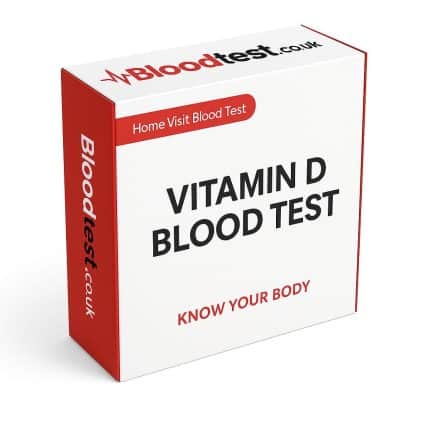

Local health services, including NHS clinics in Northampton, offer convenient testing options that empower residents to actively monitor their vitamin D levels. For instance, patients visiting Northampton General Hospital can expect a seamless and efficient procedure, minimising discomfort and demonstrating the commitment of local healthcare providers to prioritising patient care and comfort.
What Are the Main Indicators of Vitamin D Deficiency?
Identifying the signs of vitamin D deficiency is essential for maintaining overall health and well-being. Common symptoms include persistent fatigue, muscle weakness, and bone pain, which are frequently reported by individuals residing in the UK. Such symptoms can severely disrupt daily activities, often exacerbated by the country’s limited sunlight, especially in winter.
Residents in Northampton experiencing these symptoms should consider undergoing prompt testing, as local facilities provide timely assessments and necessary interventions. Access to testing in Northampton allows individuals to tackle deficiencies before they develop into more serious health problems, such as osteoporosis or chronic fatigue syndrome, both of which are associated with inadequate vitamin D levels.
Why Is Regular Testing for Vitamin D Levels Vital for Your Health?
In the UK, regular testing of vitamin D levels is highly recommended, particularly for at-risk groups such as older adults, pregnant women, and those with limited sunlight exposure. Annual assessments are especially crucial in Northampton, where the local weather can inhibit the skin’s ability to synthesise vitamin D. Local laboratories are equipped with the technology to provide accurate results, which are essential for safeguarding bone health and enhancing immune function.
By promoting routine testing, healthcare professionals in Northampton aim to prevent the long-term consequences of vitamin D deficiency, thereby aiding residents in leading healthier, more fulfilling lives.
Exploring the Functionality and Importance of a Vitamin D Blood Test
What is the Procedure for Conducting a Vitamin D Test?
The procedure for a vitamin D blood test is designed to be efficient and minimally invasive. Individuals can visit a Northampton clinic, where a qualified healthcare professional will conduct a quick blood draw from a vein, typically located in the arm. This straightforward process usually takes only a few minutes. The collected blood sample is then dispatched to a laboratory for analysis, adhering to UK standards to accurately measure vitamin D levels.
The results from this test are critical for developing personalised treatment plans, enabling healthcare providers to recommend suitable supplementation or lifestyle changes based on individual needs. Clinics in Northampton employ advanced laboratory techniques to ensure results are both precise and prompt, facilitating timely follow-up consultations.
What Are the Potential Side Effects Associated with the Blood Test?
While the vitamin D blood test is generally regarded as safe, there are minimal risks involved with the procedure. Patients in Northampton may experience slight bruising at the puncture site, which typically resolves within a few days. Healthcare professionals administering the test strictly adhere to safety protocols to mitigate any discomfort or complications. Furthermore, patients are encouraged to voice any concerns prior to the test, allowing for the effective management of any potential anxiety or discomfort. The emphasis on patient care within local clinics fosters a comfortable environment, ensuring the testing process is as smooth as possible.
When Should You Consult a Doctor About Your Vitamin D Levels?
It is vital to seek medical advice if symptoms of vitamin D deficiency persist, as timely testing can considerably influence health outcomes. Residents in Northampton should not hesitate to contact their GP, particularly if they are experiencing fatigue, mood fluctuations, or unexplained bone pain. The NHS encourages individuals to openly discuss their symptoms, facilitating effective management.
Proactive measures for patients include maintaining detailed records of their symptoms, discussing dietary habits, and noting any recent lifestyle changes during consultations. This engaged approach will assist healthcare providers in making informed decisions regarding further testing and potential treatment options.
Professional Insights on Vitamin D Blood Testing Available in Northampton
How Vitamin D Testing Aligns with UK Health Guidelines?
Experts advocate for vitamin D testing in alignment with NHS protocols, especially in areas like Northampton, where deficiencies are notably prevalent. Integrating testing into routine health practices is increasingly recognised as crucial for maintaining overall wellness. UK guidelines promote regular checks, particularly for vulnerable populations, ensuring that potential issues are detected and addressed promptly.
Local health authorities in Northampton have embraced these guidelines, establishing facilities where individuals can access testing without barriers, thus fostering a culture of preventive healthcare. This proactive strategy reflects a commitment to enhancing public health outcomes through improved awareness and accessibility.
How to Accurately Interpret Your Vitamin D Test Results?
Understanding the results from vitamin D tests conducted in Northampton is crucial for determining subsequent management steps. Specialists emphasise the significance of interpreting the specific vitamin D levels reported, as these measurements guide recommendations for supplementation or lifestyle modifications. Generally, a level below 30 nmol/L indicates deficiency, while levels between 30 and 50 nmol/L may suggest insufficiency.
Local healthcare providers are well-equipped to elucidate these results in detail, ensuring that patients leave with a clear understanding of their health status and the necessary actions to consider. This clarity empowers patients to actively manage their health, fostering a collaborative relationship with their healthcare providers.
What Advanced Diagnostic Techniques Are Utilised in Testing?
Recent advancements in diagnostic techniques have significantly enhanced the accuracy of vitamin D testing across the UK, including facilities in Northampton. Enhanced assays are now employed to provide more precise measurements of vitamin D metabolites in the blood. These developments allow healthcare professionals to more effectively distinguish among various forms of vitamin D, aiding them in tailoring supplementation strategies to individual patient needs. Key diagnostic tools include:
- High-Performance Liquid Chromatography (HPLC)
- Mass Spectrometry
- Enzyme-Linked Immunosorbent Assay (ELISA)
- Immunoassays
By employing these advanced methods, clinics in Northampton are at the forefront of vitamin D diagnostic capabilities, empowering practitioners to implement targeted interventions that optimise patient health.
What Expert Guidance is Available on Supplementation Strategies?
Specialists in Northampton provide invaluable insights regarding vitamin D supplementation based on individual blood test results. Recognising that supplementation is not a one-size-fits-all solution, experts underscore the importance of personalised plans that consider factors such as age, current levels, and dietary habits. They typically recommend safe doses of 10 to 20 micrograms per day for adults, while also addressing potential interactions with other medications.
This tailored approach aligns with NHS recommendations, ensuring patients receive adequate support without risking toxicity. By collaborating closely with healthcare providers, individuals can effectively address deficiencies and enhance overall health through vitamin D supplementation.
Explore the Essential Advantages of Vitamin D Testing
How Vitamin D Testing Enhances Bone Health Outcomes?
Regular vitamin D testing in Northampton plays a pivotal role in improving bone health outcomes. Osteoporosis, a significant concern in the UK, can be effectively managed through the early identification of low vitamin D levels. By pinpointing deficiencies, healthcare providers can recommend timely interventions to strengthen skeletal health and overall bone integrity.
This proactive strategy is particularly vital for at-risk groups, including older adults, who are more susceptible to fractures and bone-related conditions. Clinics in Northampton are equipped to provide comprehensive assessments, empowering patients to take proactive measures to maintain bone density through lifestyle adjustments and supplementation.
Why Is It Important to Regularly Test for Vitamin D Levels?
Regular testing for vitamin D levels can yield numerous benefits, particularly in the UK’s variable climate, which can lead to fluctuations in sunlight exposure. Consistent checks can help improve both immunity and mood, addressing common issues faced by the population. Local services in Northampton facilitate easy access for individuals to monitor their vitamin D status, empowering informed decisions on supplementation and lifestyle changes. By prioritising vitamin D testing, residents can enhance their overall well-being, gaining insights into their health that translate into a higher quality of life.
What Are the Long-Term Health Benefits of Vitamin D Testing?
In the UK, vitamin D testing supports long-term health benefits by reducing the risks of chronic conditions associated with deficiency. Proactive screening for low vitamin D levels at local facilities in Northampton enables tailored advice from experts who understand the intricate relationship between vitamin D and overall wellness.
This comprehensive approach includes dietary recommendations, lifestyle modifications, and suitable supplementation, all aimed at fostering a healthier population. By investing in regular testing, individuals can make informed choices that significantly improve their health trajectories, ultimately reducing the burden of chronic diseases.
How Does Testing Improve Immune Function?
Vitamin D testing in Northampton facilitates the early identification of deficiencies, which is essential for strengthening the immune system. This is particularly important during the UK’s frequent rainy and cloudy seasons, when individuals may be more susceptible to infections. By addressing deficiencies promptly, residents can reduce their risk of illness and maintain their health throughout the winter months.
Enhanced immune function not only decreases absenteeism from work or school but also contributes to a more resilient population overall. Local health services are dedicated to assisting individuals in maintaining optimal vitamin D levels, fostering an environment where health is prioritised.
What Role Does Vitamin D Testing Play in Mental Well-being?
Testing for vitamin D levels can significantly alleviate symptoms of seasonal affective disorder (SAD) and low mood, both of which are prevalent in the UK’s changing weather conditions. Clinics in Northampton offer accessible services that lead to tailored supplementation plans, enhancing cognitive function and emotional resilience.
By recognising the connection between vitamin D levels and mental health, individuals can take proactive steps to address mood fluctuations, fostering a more positive daily life. This holistic approach to health reflects a growing awareness of the interconnectedness of physical and mental well-being, with local experts providing the necessary support and resources.
Research-Backed Benefits of Vitamin D Blood Testing in Northampton
What Evidence Supports the Need for Vitamin D Testing in the UK?
Research conducted in the UK suggests that regular vitamin D testing can significantly decrease deficiency rates in areas like Northampton. Local health data indicates that communities actively participating in vitamin D monitoring are better positioned to combat health disparities linked to vitamin D deficiency. These findings underscore the importance of proactive health measures and highlight the role of local health services in facilitating access to testing. By conducting regular checks, residents contribute to a healthier community, showcasing the positive impact of informed healthcare practices on community health.
How is Vitamin D Testing Incorporated into Daily Life?
UK guidelines advocate for vitamin D testing as part of an evidence-based strategy to enhance energy levels and overall health. Residents in Northampton benefit from these recommendations, which encourage regular checks as part of their daily routines. This testing approach not only supports individual health objectives but also fosters collective awareness of the importance of maintaining optimal vitamin D levels. By embracing these guidelines, communities can cultivate a health-conscious culture where individuals take responsibility for their well-being, leading to improved health outcomes across the board.
What Follow-Up Actions Do Experts Recommend After Testing?
Following testing, specialists recommend regular follow-ups through the NHS in Northampton to monitor vitamin D levels and sustain optimal health. These follow-ups are crucial for ensuring that individuals adhere to recommended supplementation and lifestyle adjustments based on their results. Expert analyses emphasise the importance of ongoing engagement with healthcare providers, allowing for real-time adjustments to health strategies. By prioritising follow-ups, residents can effectively manage their vitamin D levels, promoting a proactive approach to long-term health management.
Preparing for Your Vitamin D Blood Test: Essential Steps and Insights
What to Anticipate During Your Clinic Visit?
When visiting a Northampton clinic for a vitamin D blood test, adequate preparation is critical to ensuring a smooth experience. Patients are generally advised to fast briefly before the test, although specific instructions may vary based on individual circumstances. UK healthcare staff are committed to providing clear and concise guidance to help patients feel at ease. The visit typically involves completing a brief medical history form, followed by a blood draw that takes only a matter of minutes. Ensuring patients know what to expect can significantly alleviate anxiety about the procedure, thereby creating a positive healthcare experience.
How Can You Schedule a Vitamin D Test?
Residents wishing to arrange a vitamin D blood test can easily do so through local NHS services in Northampton. The booking process is designed to be straightforward, enabling individuals to secure timely access to essential health checks. Patients can contact their GP practice or utilise NHS online booking systems to schedule appointments that fit their availability. This accessibility is crucial for encouraging regular health monitoring, empowering individuals to take charge of their vitamin D levels and overall health.
What Post-Test Care Guidelines Should You Follow?
After undergoing a vitamin D blood test, follow-up care is vital for maintaining optimal health. In the UK, patients are encouraged to review their results with their GP in Northampton and discuss any necessary adjustments to their diet or supplementation. Some recovery guidelines include:
- Stay hydrated after your test to aid recovery
- Monitor any bruising or discomfort at the blood draw site
- Maintain a balanced diet rich in vitamin D sources
- Engage in outdoor activities to promote natural vitamin D production
Following these guidelines can assist individuals in sustaining healthy vitamin D levels, emphasising the significance of a proactive approach to personal health.
What Factors Can Influence Vitamin D Levels?
A variety of factors can impact an individual’s vitamin D levels in the UK. Limited sunlight exposure during the winter months is a primary concern, especially for residents of Northampton, where cloudy days are prevalent. Additionally, dietary intake plays a significant role; consuming fortified foods such as cereals and fatty fish can help maintain adequate vitamin D levels.
Skin pigmentation also affects vitamin D synthesis; individuals with darker skin may require additional sun exposure or supplementation to achieve optimal levels. Discussing these factors with a GP in Northampton can assist patients in adequately preparing for their blood test and ensuring accurate interpretation of their results.
What Dietary and Lifestyle Recommendations Should You Follow Before Testing?
Before your vitamin D blood test in Northampton, it is advisable to maintain a balanced diet rich in vitamin D sources. Foods such as oily fish, egg yolks, and fortified dairy products can help sustain adequate levels. Patients should avoid unnecessary supplements before testing, as this can skew results. Engaging in outdoor activities to ensure adequate exposure to natural sunlight is also recommended, in alignment with UK health guidelines.
Implementing these dietary and lifestyle recommendations can help ensure reliable test results, ultimately guiding healthcare providers in making informed suggestions.
Common Questions Regarding Vitamin D Blood Testing
What is the primary objective of a vitamin D blood test?
The main goal of a vitamin D blood test is to measure blood levels of vitamin D and identify deficiencies that may impact bone health and immune function.
How frequently should I have my vitamin D levels tested?
Testing vitamin D levels annually is generally recommended, particularly for vulnerable groups such as older adults and those with limited sun exposure.
What are the most common symptoms associated with vitamin D deficiency?
Common symptoms include fatigue, bone pain, muscle weakness, and mood changes, which can significantly disrupt daily life.
Are there any risks linked to the vitamin D blood test?
The risks are minimal and may include slight bruising or discomfort at the blood draw site. The procedure is generally safe and well-tolerated.
What is the typical turnaround time for results from a vitamin D test?
Results from a vitamin D blood test are usually available within a few days, depending on the laboratory’s processing capabilities.
What steps should I take if my vitamin D levels are low?
If your levels are low, consult your GP to explore supplementation options and potential lifestyle changes to enhance your vitamin D intake.
Can I take vitamin D supplements before my test?
It is advisable to refrain from taking vitamin D supplements prior to testing, as they may affect the accuracy of test results.
Is vitamin D testing covered by the NHS?
Yes, vitamin D testing is typically covered by the NHS, particularly for individuals at risk of deficiency.
Which foods can assist in boosting my vitamin D levels?
Foods rich in vitamin D include oily fish, fortified dairy products, egg yolks, and certain mushrooms. Incorporating these into your diet can help elevate levels.
What measures can I take to maintain healthy vitamin D levels year-round?
To sustain healthy levels, aim for regular sunlight exposure, consume a balanced diet rich in vitamin D, and consider supplementation during the winter months when sunlight is limited.
Connect with us on Facebook!

This Article Was First Found On https://bloodtest.co.uk
The Article Vitamin D Blood Test: Discover Its Key Benefits in Northampton Was Found On https://limitsofstrategy.com