Essential Techniques for Carefully Caring for Your Travertine Flooring
- travertine possesses a delicate surface comprising microscopic voids, rendering it vulnerable to damage from aggressive scrubbing and abrasive cleaning pads, which can exacerbate existing pits.
- Be vigilant for signs of surface damage, including rough, chalky patches, noticeable dark pinholes, and stubborn swirl marks that persist even after extensive cleaning efforts.
- Exercise caution when using cleaning tools that may cause harm, such as dark or green cleaning pads, scouring sponges, harsh cream cleaners, and any product that feels gritty to the touch.
- Adopt safe cleaning practices by utilising a pH-neutral stone cleaner, microfibre mops, and employing light agitation to effectively lift dirt without compromising the surface integrity.
- If you observe an increase in holes or dull, patchy areas during cleaning, cease all scrubbing immediately and consult a travertine expert for professional guidance.
Can Scrubbing Too Hard Cause Damage to Travertine?: Absolutely, it can. A single session of vigorous cleaning with a stiff brush can leave your Travertine appearing worse than it did initially. Due to the multitude of tiny voids beneath its delicate exterior, aggressive scrubbing with inappropriate pads can roughen the surface, strip away its protective layer, and create new pits that attract dirt, leading to further cleaning challenges.
Recommended Products for Everyday Maintenance of Travertine Floors
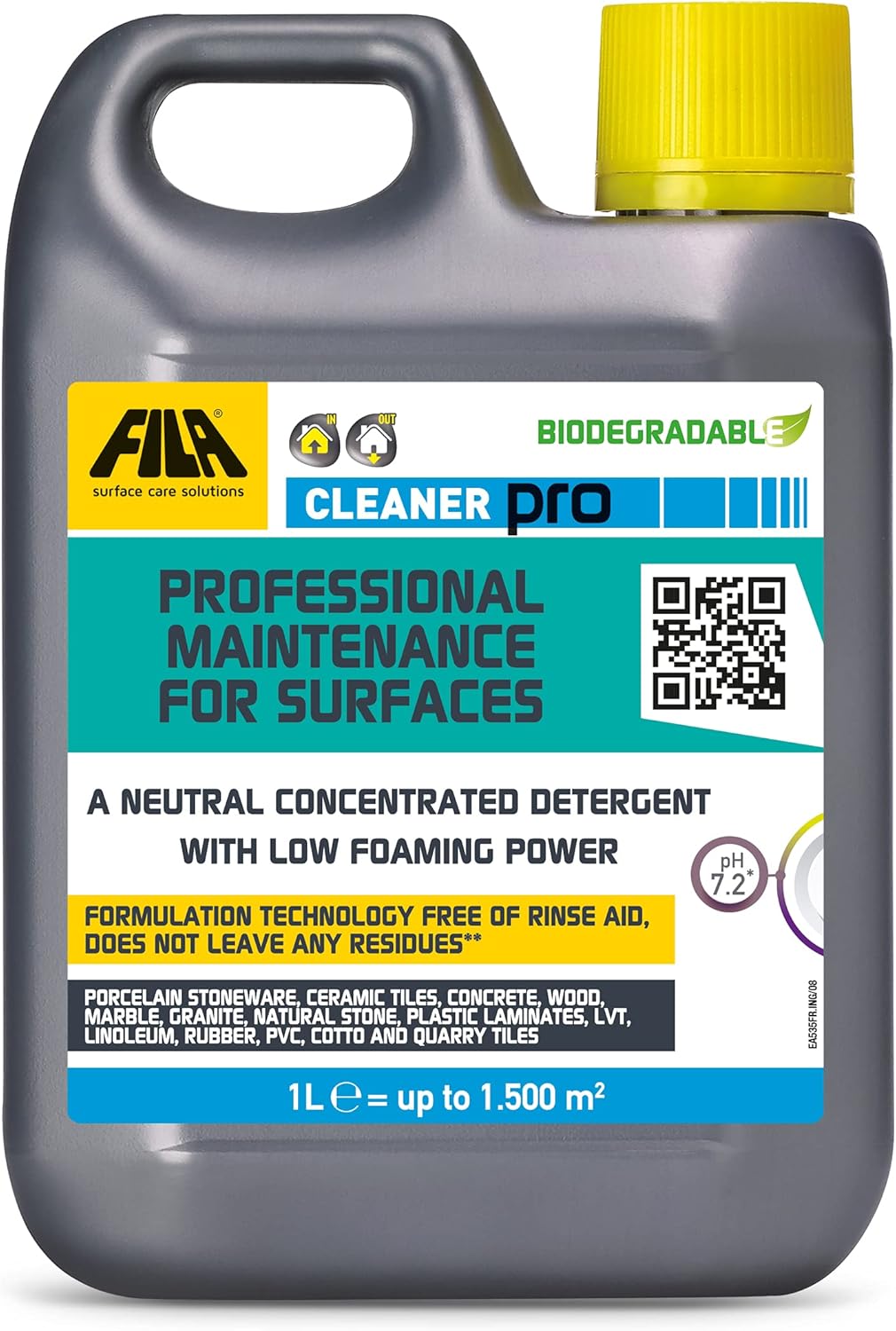
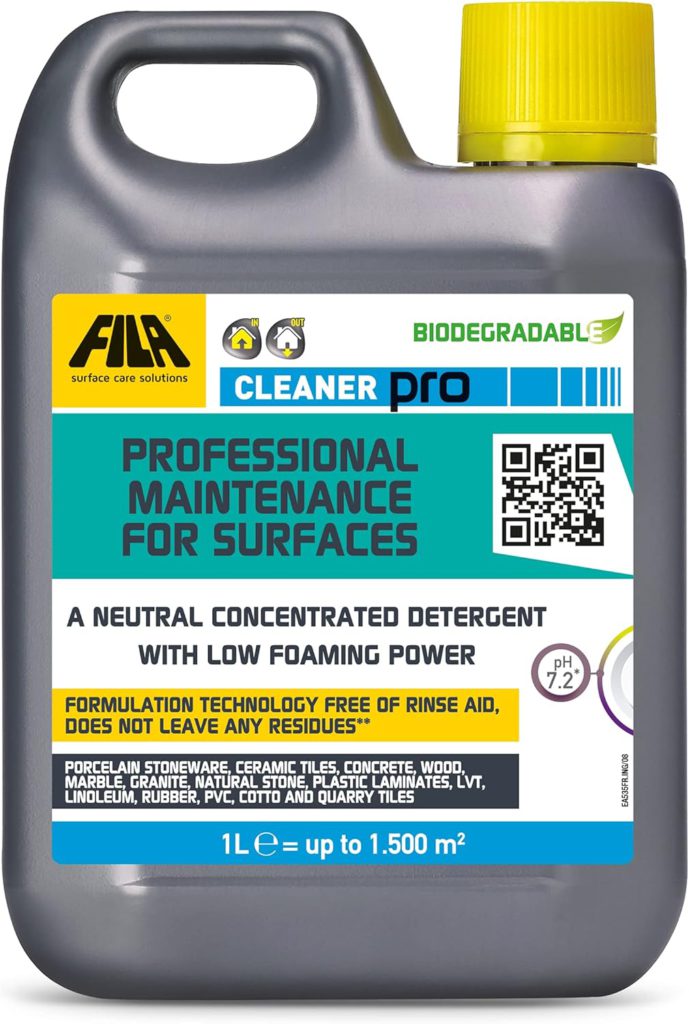
Fila Pro Floor Cleaner
|
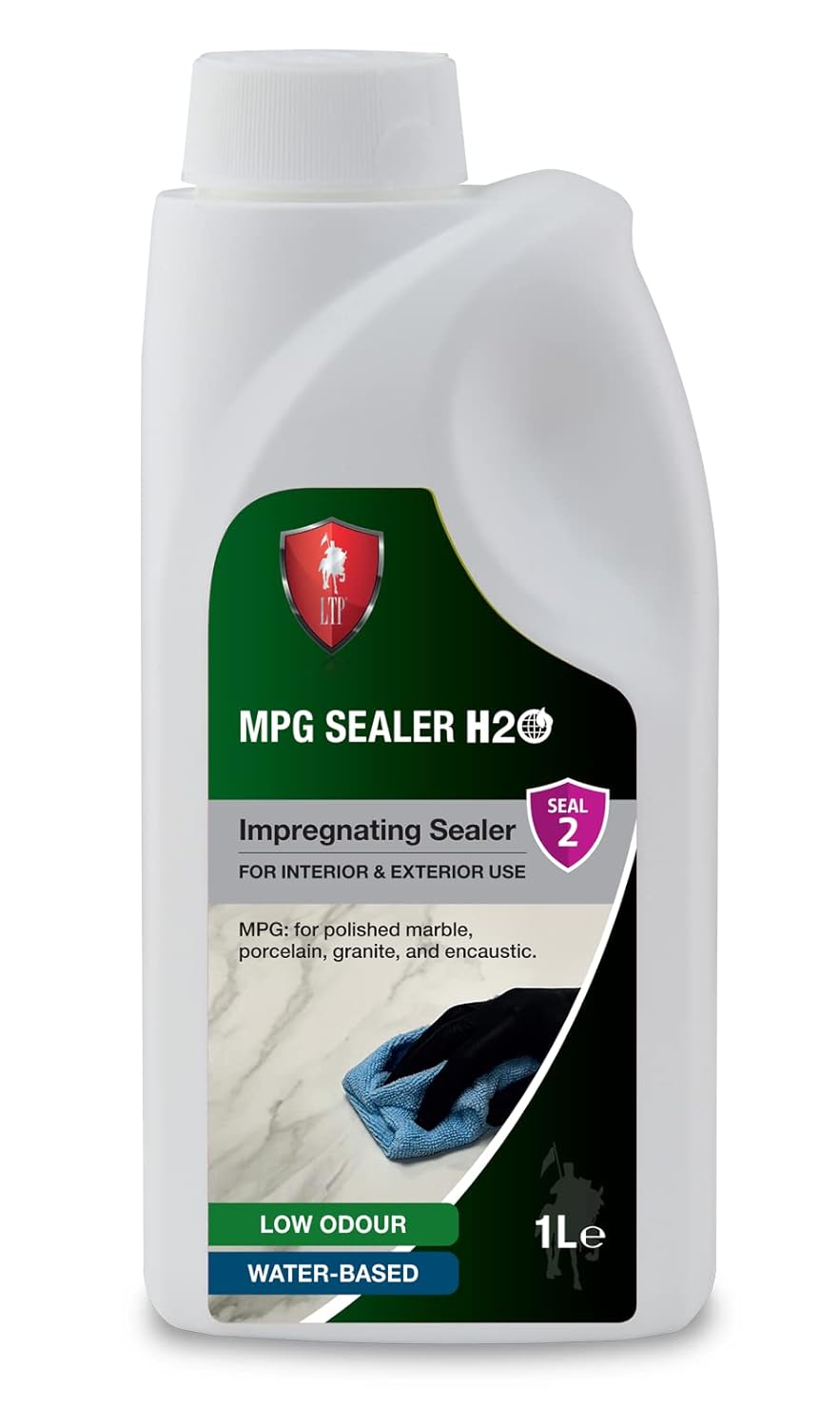
LTP MPG Sealer H20
|
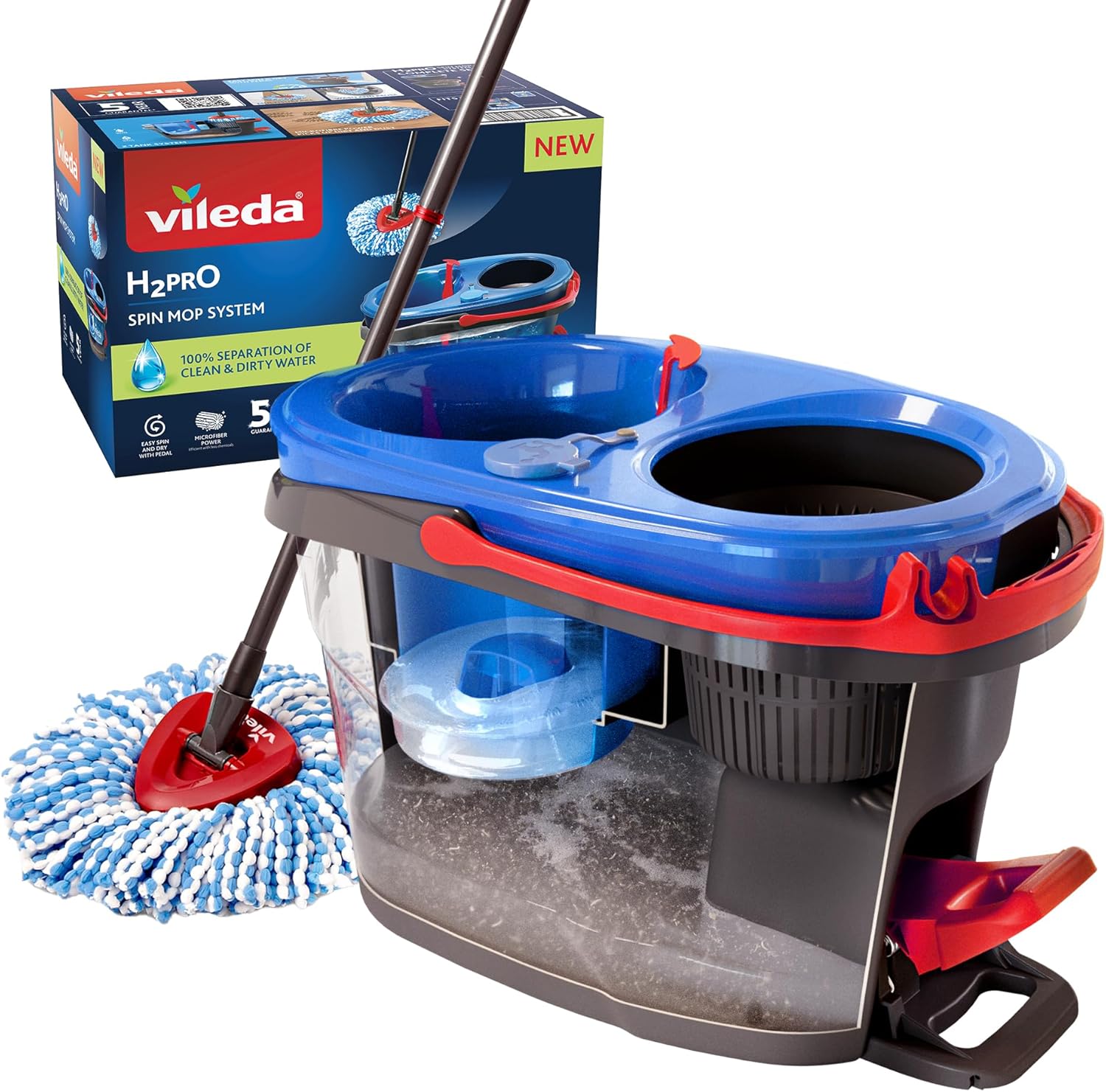
Vileda H2PrO Spin Mop System
|
This article provides an in-depth look at how excessive scrubbing can inadvertently damage travertine, the warning signs to be aware of, and the best practices for cleaning effectively without jeopardising the quality of your flooring. By the conclusion, you will be equipped to discern when gentle cleaning suffices and when it becomes necessary to enlist professional assistance.
Why Is Aggressive Scrubbing Detrimental to the Integrity of Travertine Floors?
Travertine does not constitute a solid, glossy tile; rather, it resembles a delicate honeycomb bar encased in a thin shell. Beneath its smooth exterior lies a complex network of gaps and weaknesses. When you scrub aggressively with an inappropriate pad, you are not merely cleaning away dirt; you are also eroding that thin protective layer and compromising the structural integrity beneath the surface.
Furthermore, a protective sealer is typically applied to the stone, serving as the primary line of defence. Aggressive scrubbing can strip or damage this vital sealer, resulting in some tiles becoming more exposed than others. This inconsistency can lead to an uneven finish: certain areas absorb water and dirt more readily, while others remain resistant. As a result, floors can appear blotchy and unclean shortly after cleaning, despite your best efforts to maintain them.
Understanding the Unique “Crunchie Bar” Structure of Travertine
Travertine forms in mineral-rich hot springs, where escaping gases create diverse pockets and tunnels within the stone. During the manufacturing process, many of these voids are filled with resin or grout and then honed to achieve a smooth finish. However, additional cavities always lie just beneath the surface, waiting to be discovered. Imagine a chocolate bar containing honeycomb: if you scrape the top excessively, you penetrate the bubbly interior.
When aggressive scrubbing or harsh abrasives penetrate the top layer, hidden voids can become new pits and small holes. Dirt collects rapidly in these newly exposed cavities, resulting in the floor appearing worse instead of cleaner. Once these pits are exposed, restoring the surface requires extensive cleaning, refilling, and resealing to regain control over the finish and appearance.
What Are the Risks of Using Abrasive Tools on Travertine Surfaces?
Many conventional cleaning pads and sponges are designed to grip surfaces aggressively. Green kitchen pads, scourers, and “heavy-duty” floor pads function similarly to fine sandpaper. While they may effectively remove stains from hard porcelain, they can easily cut through the protective caps that shield the voids in soft, porous travertine.
As you scrub, you may notice a patch becoming rougher or more matte in comparison to surrounding areas. This change in texture indicates that the stone's surface has been compromised. Each additional pass with an abrasive pad exacerbates the issue, making the stone more absorbent and complicating future cleaning efforts.
What Signs Indicate Over-Scrubbing on Travertine Floors?
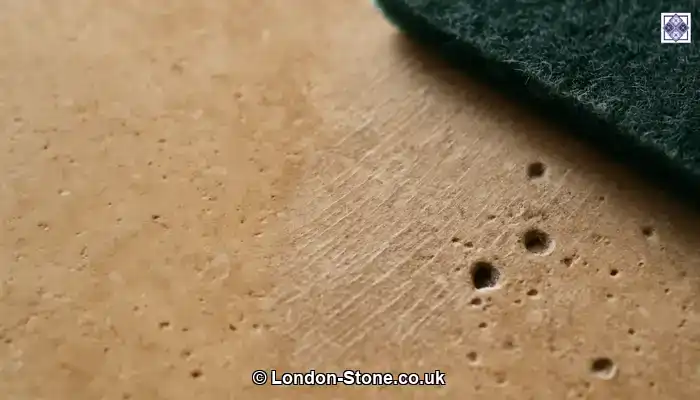
It can be challenging to immediately recognise that you are over-scrubbing. Often, the damage becomes apparent as the floor dries or in the subsequent days. Identifying visible signs will assist in recognising issues early and preventing further damage from repeated scrubbing of the same area.
A common indication of over-scrubbing is a patch that dries lighter and chalkier than the surrounding tiles. Instead of exhibiting a soft, even sheen, the surface appears flat and lifeless. You may also observe the emergence of tiny dark pinholes that were not visible previously, particularly in high-traffic areas or spots where you concentrated your scrubbing efforts. These newly formed voids quickly fill with soil, further complicating cleaning efforts and maintenance.
Recognising the Visible Warning Signs of Scrubbing Damage
Several clear indicators suggest that scrubbing is damaging your travertine instead of merely cleaning it:
- The floor feels rough or “grippy” underfoot in the areas you scrubbed most vigorously, contrasting with smoother sections nearby.
- Swirl marks or straight lines persist and remain visible even after additional cleaning.
- The grout edges begin to chip or fray where a stiff brush has harmed the joints.
- Small pits and holes appear sharper and deeper after cleaning, darkening rapidly with regular use.
If you notice any of these changes, continuing with the same pad or applying more pressure will only exacerbate the damage. At this stage, the concern extends beyond mere surface dirt; the integrity of the surface itself has been altered, requiring immediate attention.
Which Cleaning Tools and Products Are Harmful to Travertine Floors?
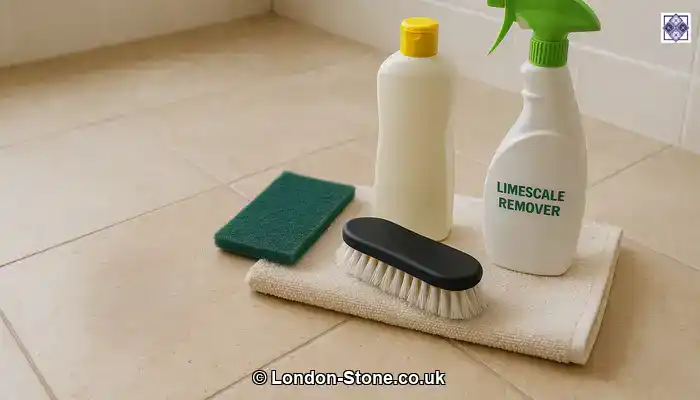
Not all cleaning tools are suitable for use on travertine. Some items that seem harmless in a bathroom or kitchen can be excessively harsh on this soft, porous stone. The risk arises from both mechanical abrasion and harsh chemical reactions, which can lead to rapid damage when combined.
On the mechanical side, green and darker floor pads, stiff deck brushes, scouring sponges, and “magic” eraser blocks can all scratch the surface of travertine. Cream cleaners often contain particles that resemble liquid sandpaper when rubbed against the stone. If a product feels gritty to the touch, it is advisable to avoid using it on travertine.
From a chemical standpoint, any cleaner marketed for removing limescale or rust will likely be acidic, which travertine cannot tolerate. Strong bleach, heavy-duty degreasers, and bathroom sprays that claim to “dissolve dirt” can weaken fillers and strip sealers. When these products are used in conjunction with aggressive scrubbing, they can leave dull etched patches and open pits that resist normal cleaning methods and maintenance.
Effective Approaches for Cleaning Travertine Safely and Successfully
Safe cleaning focuses on allowing the right product and dwell time to perform most of the work while you guide the process with gentle, controlled motions. Rather than scrubbing a single stubborn mark until you are fatigued, it is more efficient to loosen dirt across a larger area and remove it through thorough rinsing and extraction.
Begin by vacuuming or sweeping carefully to remove any grit that could scratch the surface. Next, apply a diluted pH-neutral stone cleaner according to the label instructions. Allow it to sit on the floor for a few minutes to soften the dirt within the pores and joints. Use a microfibre mop, soft cloth, or very soft brush to evenly distribute the solution with light, gentle strokes.
Work in small sections to ensure you collect the dirty solution before it dries back into the pits. Frequently wring out the mop, change the water regularly, and finish with a clean rinse. The goal is to continuously lift and carry away dirt rather than grinding it into the stone, ensuring a more effective cleaning process.
Determining Appropriate Agitation Levels for Different Travertine Finishes
Different finishes can withstand varying levels of agitation. A honed and filled travertine with most holes closed can handle gentle brushing or a soft white pad, provided you apply light pressure. Conversely, tumbled or brushed travertine, characterised by an open texture, necessitates even greater caution since stiff bristles may dig into the raised edges and deepen the texture, causing further damage.
Polished travertine is the most sensitive finish. Any abrasive pad or vigorous scrubbing can swiftly dull its shine and reveal fine scratches in the light. For this type of flooring, use very soft microfibre and a neutral cleaner, and avoid spot-scrubbing entirely. If marks persist despite this approach, it typically indicates that the surface has been etched or scratched, necessitating professional refinishing rather than further scrubbing.
When Is It Time to Stop DIY Cleaning and Call in the Experts?
At some point, further DIY cleaning will not improve the floor and may actually worsen the situation. Knowing when to stop is crucial for safeguarding both your travertine and your peace of mind. A specialist possesses the tools and expertise necessary to address issues that standard cleaning cannot resolve.
If you notice dull etched rings from toiletries or cleaners, extensive scratches that catch the light, or patches of severe pitting that are worsening, it is time to pause and seek professional assistance. Similarly, if old coatings are flaking, grout is deteriorating, or tiles sound hollow or shift slightly underfoot, scrubbing will not resolve these structural issues. These are not merely cleaning problems; they require the attention of a trained professional.
A travertine specialist will evaluate the floor, assess its reaction to various products, and develop a controlled process that includes deep cleaning, refilling where necessary, gentle honing when needed, and sealing with a breathable impregnator. Such tasks cannot be accomplished using household brushes and supermarket products, regardless of how diligently you scrub.
Best Practices for Long-Term Care to Safeguard Travertine
Once you understand how easily travertine can be damaged by vigorous scrubbing, preserving its integrity becomes much simpler. A few consistent habits can protect the surface and minimise the necessity for intensive “rescue” cleaning sessions.
Utilise entry mats at doorways to prevent grit from being tracked across the floor and always lift furniture instead of dragging it. Attach felt pads to the legs of chairs and tables in dining areas and kitchens. Use a pH-neutral stone cleaner for regular mopping and avoid steam cleaners entirely, as they force hot moisture into the stone and grout, compromising the integrity of the materials.
Periodically, arrange for a professional deep clean and evaluate the effectiveness of the sealer. When the floor is thoroughly cleaned, any pits refilled, and the stone resealed, everyday maintenance becomes much simpler and significantly less risky. Light, routine upkeep will suffice to keep your travertine looking elegant and well-cared for, prolonging its lifespan and beauty.
Common Queries Regarding the Care of Travertine
Can a Soft Scrubbing Brush Damage Travertine?
A genuinely soft brush, when used with light pressure and a neutral cleaner, is unlikely to cause significant damage on its own. Issues arise when the bristles are stiff, the pressure is excessive, or the same area is scrubbed repeatedly. If the surface feels rougher or new pits appear, cease all scrubbing immediately and switch to a gentler microfibre.
Will Cream Cleaners or Scouring Pads Harm Travertine Tiles?
Most cream cleaners and scouring pads are too abrasive for travertine. They contain tiny particles that can scratch the surface and potentially damage the thin caps covering the stone’s internal voids. Even if they temporarily eliminate a mark, they often leave a dull patch that attracts dirt more quickly. It is wiser to avoid these products and opt for those specifically designed for natural stone care.
Is It Safe to Use a Steam Mop on Travertine Floors?
Steam mops should not be used on travertine. The combination of heat and pressure can drive moisture into the pores and grout, weakening fillers and compromising the sealer. Over time, this can result in dark patches, loose filler, and increased pitting. A neutral cleaner and microfibre mop are much gentler on the stone and easier to manage for regular cleaning.
How Can I Tell If My Travertine Has Been Damaged?
Indicators of damage include new, rough or chalky patches; pinholes that darken quickly; dull rings caused by toiletries or cleaners; and scratch marks that remain visible despite frequent cleaning. If you can feel a change in texture with your fingers or see marks clearly in reflected light, it is likely that the surface has been altered rather than merely soiled.
What Should I Do If Scrubbing Has Left a Dull Patch?
Avoid trying to polish the area yourself using stronger pads or products. Instead, stop using that section as a testing ground, return to gentle cleaning practices, and contact a specialist for guidance. In many cases, a professional can lightly hone and refinish the damaged area, refill any exposed pits, and seamlessly blend it back into the surrounding floor.
Final Thoughts on Caring for Your Travertine Flooring
Travertine is a stunning yet delicate stone. Its internal voids and soft surface mean that heavy scrubbing, abrasive pads, and harsh cleaners can quickly shift your efforts from cleaning to damaging without much warning. Once the surface caps are compromised and the sealer is patchy, maintaining the floor becomes increasingly challenging and complicated.
The safest strategy is to allow appropriate products and effective techniques to do the heavy lifting, rather than relying solely on brute force. Gentle agitation, thorough rinsing, and consistent light maintenance will protect both the stone and your investment. When issues extend beyond basic soiling to include dullness, pitting, or etching, professional restoration represents the most effective and least risky solution.
With proper care and maintenance, travertine can remain elegant and inviting for many years without necessitating excessive scrubbing.
About the Author
David Allen is a natural stone and tile restoration expert with over 30 years of hands-on experience in homes across the UK. Throughout thousands of projects, he has restored, protected, and preserved a diverse array of surfaces, from delicate Victorian encaustic tiles to high-value marble, limestone, and travertine floors.
His practical expertise encompasses deep mechanical refinishing, stain and etch correction, diamond abrasive sequencing, breathable sealing systems, and the specialist repair of heritage flooring. Renowned for his clear, calm explanations, he emphasises safe processes, long-term protection, and straightforward maintenance guidance that empowers homeowners to avoid unnecessary damage and make informed decisions regarding the care of their stone and tile.
The Article: Could I Damage Travertine If I Scrub Too Hard? found on https://london-stone.co.uk
The Article Could Scrubbing Too Hard Damage Travertine? appeared first on https://fabritec.org
The Article Scrubbing Too Hard: Can It Damage Your Travertine? Was Found On https://limitsofstrategy.com