Your Comprehensive Resource for Understanding and Managing Heat Damage in Hair
Identifying the Essential Signs of Heat-Damaged Hair
Heat damage in hair presents itself through various visible and tactile symptoms that clearly indicate distress. Common indicators include excessive dryness, pronounced brittleness, and the appearance of split ends. It is crucial to identify these problems early to facilitate effective restoration, allowing for the application of gentle conditioning routines tailored to replenish moisture levels within the hair strands. By addressing these symptoms quickly, you not only encourage immediate recovery but also promote the long-term health of your hair, thereby avoiding the necessity for harsh treatments. A brief summary of the typical signs of heat damage includes:
- Dryness accompanied by a lack of shine
- Brittle texture along with frequent tangling
- Split ends and clear indications of breakage
- Frizziness and reduced manageability
- Rough texture when touched
- Increased porosity that leads to moisture loss
By being vigilant and identifying these signs early, you can avert the need for extensive repairs in the future. Paying close attention to the condition of your hair and adapting your care routine accordingly empowers you to maintain healthier, more resilient locks that can endure the test of time.
What Are the Main Causes of Heat Exposure and Damage?
The regular use of styling tools such as straighteners and curling irons stands as a primary factor contributing to heat damage. These devices operate at high temperatures, causing the degradation of essential proteins within the hair structure. Continuous exposure to such elevated temperatures not only compromises the cuticle layer, which serves as the protective barrier for the inner structure of the hair, but also leads to further complications. Understanding these triggers is vital to developing effective protective measures. Incorporating heat shields and reducing the frequency of styling tool usage can substantially lower the risks associated with heat exposure, allowing your hair to retain its natural resilience and strength.
Recognising the main sources of heat exposure is the first step towards establishing a robust protective hair care regimen. By closely monitoring your styling habits and embracing natural air-drying techniques whenever possible, you can significantly diminish the chances of causing damage to your hair, thereby preserving its health and integrity.
How Does Heat Impact Hair Structure?
Heat exposure inflicts detrimental effects on hair at a fundamental structural level. Repeated application of high temperatures weakens the cuticle layer, leading to increased porosity and moisture loss. Consequently, this compromised state results in diminished elasticity, rendering hair more susceptible to breakage. The cuticle acts as a protective barrier; when it becomes damaged, moisture escapes, leaving the hair dry and brittle.
To combat these harmful effects, it is essential to address hydration deficits by incorporating intensive conditioning treatments into your hair care regimen. Hydrating products can play a pivotal role in restoring elasticity and enhancing overall hair health. Therefore, the application of moisturising masks and regular deep conditioning is crucial for effectively tackling heat damage and preventing further breakage, ensuring your hair regains its vitality.
How to Effectively Prevent Heat Damage?
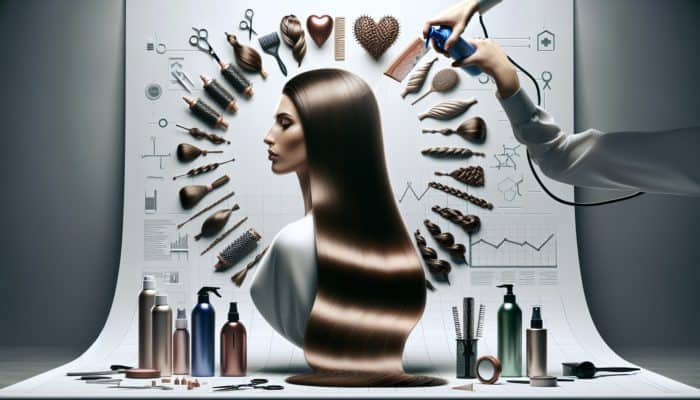
Implementing effective prevention strategies is vital for maintaining the integrity of your hair. Using heat protectant products prior to any styling is essential, as these create a barrier that mitigates the impact of heat on your strands. Additionally, limiting the use of styling tools can dramatically lower the risk of heat damage. Choosing protective hairstyles that necessitate minimal heat can foster resilience in your hair, allowing it to remain healthy and vibrant over time.
Some other invaluable strategies include:
- Regularly trimming split ends to avert further damage
- Incorporating hydrating products and natural oils into your hair care routine
- Using silk or satin pillowcases to reduce friction
- Embracing air-drying techniques whenever feasible
By adopting these strategies, you not only safeguard your hair's natural barrier but also cultivate long-term resilience against damage, ensuring your tresses remain healthy and vibrant.
What Repair Techniques Prove Effective for Heat-Affected Hair?
When aiming to restore the health and vitality of heat-damaged hair, several effective techniques can significantly aid in this process. One of the most impactful methods involves the use of intensive conditioning masks. These products are specifically formulated to deliver deep nourishment to the strands, replenishing lost moisture and proteins that are crucial for recovery. Ingredients such as keratin and various natural oils can greatly enhance the recovery process when used consistently in your hair care regimen.
In addition to conditioning treatments, avoiding further heat exposure is critical during the repair phase. This may involve embracing natural styles or opting for low-heat alternatives whenever necessary. Furthermore, using silk pillowcases can facilitate recovery, as they create a smoother surface that minimizes friction and breakage during sleep, contributing to overall hair health.
The journey to achieving healthier hair demands dedication, but through the consistent application of these repair techniques, you can attain smoother, stronger locks over time, restoring their former glory.
How Does Heat Damage Occur?
Factors That Contribute to Accelerated Heat Damage
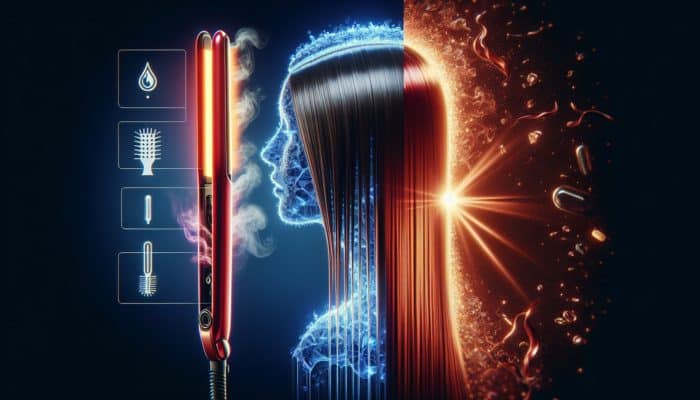
Numerous factors can accelerate heat damage to hair, primarily stemming from the high temperatures produced by styling tools. When tools like straighteners or curling irons are employed, the heat penetrates the hair cortex, leading to moisture depletion. This process not only dries out the strands but also compromises the structural integrity of the hair. Understanding how this damage occurs is crucial for implementing effective protective measures that can safeguard your hair’s health.
To mitigate these risks, consider adopting practices such as utilising lower heat settings on your tools and limiting the duration of direct heat exposure. Additionally, ensure that you are using high-quality styling tools that distribute heat evenly and effectively. These proactive steps can significantly reduce the likelihood of damage and help maintain healthier, more resilient hair over time.
What Strategies Can You Use to Prevent Initial Harm to Your Hair?
Preventing initial harm to your hair during heat styling is achievable through straightforward strategies. Routine exposure to heat can accumulate, adversely affecting the hair's natural oils and moisture levels. One effective approach is to use heat protectants, which create a barrier between the hair and high temperatures. This protective layer is crucial in mitigating potential damage and preserving the health of your hair.
Other practical steps to consider include:
- Limiting the frequency of heat styling to reduce stress on the hair
- Incorporating regular hydration treatments to maintain moisture
- Avoiding styling on wet hair, as this increases the risk of damage
- Utilising tools designed for healthier styling practices
By adopting these preventative measures, you can substantially reduce the risk of heat damage and maintain the overall health and vitality of your hair, allowing it to flourish beautifully.
What Are the Potential Long-Term Consequences of Heat Damage?
The long-term effects of repeated heat application can be severe, with the potential for significant damage to the hair's structure. Over time, frequent use of high heat can erode hair strength, leading to thinning and, in some cases, permanent damage. Understanding the implications of heat styling is crucial for anyone looking to maintain vibrant, healthy hair that stands the test of time.
Exploring reversal methods is essential for sustaining hair health. This often involves adopting a more mindful approach to styling, prioritising conditioning treatments, and allowing recovery periods free from heat exposure. These strategies can lead to noticeable improvements in hair vitality and appearance, ensuring that your locks remain strong and healthy over the long haul.
Expert Strategies for Repairing Heat-Damaged Tresses
Advanced Techniques for Restoring the Health of Heat-Damaged Hair
To effectively repair heat-damaged hair, advanced techniques founded on scientific formulations can be employed. These approaches often include the use of specialised products designed to deeply nourish the strands. For instance, products containing hydrolysed proteins, amino acids, and essential oils have been shown to penetrate the hair shaft, providing essential nutrients for effective recovery and revitalisation.
Real-world examples of successful recoveries from thermal stress frequently highlight the significance of a personalised hair care regimen. Individuals who have experienced heat damage and subsequently adopted targeted treatments report substantial improvements in hair texture and strength. This underscores the efficacy of customised approaches to hair repair, catering to the specific needs of various hair types.
Consistency in the application of these advanced repair techniques is paramount. Regular use of treatment masks and styling products that focus on hydration and protection can lead to significant long-term benefits for heat-affected hair, ensuring that it remains healthy and resilient.
What Are the Advantages of Professional Treatments?
Professional treatments can offer unparalleled benefits when it comes to restoring protein bonds in heat-damaged hair. Salon-grade products often contain higher concentrations of active ingredients that can deliver more potent results compared to typical over-the-counter options. These treatments are customised to meet individual hair needs, ensuring optimal results tailored to the severity of the damage, which can greatly enhance recovery.
For instance, keratin treatments have gained popularity for their ability to enhance shine and manageability while reinforcing the hair structure. Consulting with a professional stylist can provide insights into the best course of action for your specific hair challenges, creating a roadmap for recovery that maximises the potential for achieving luscious, vibrant locks.
Investing in professional treatments can be a wise choice for those seeking significant improvements in their hair health, offering a comprehensive solution to combat heat damage effectively and efficiently.
How to Effectively Monitor Progress Over Time?
Monitoring the progress of your hair recovery is essential for ensuring sustained vitality. Regular assessments can assist in evaluating improvements and identifying any ongoing issues that may require attention. Techniques for tracking your hair's condition include maintaining a hair diary or taking periodic photographs to document changes over time, which can provide insights into your hair’s journey to recovery.
Additionally, collaborating with hair specialists can offer valuable insights into the recovery process. These professionals can recommend tailored strategies to enhance progress, such as specific treatments or adjustments to your care routine. By maintaining a clear view of your hair's response to various interventions, you can make informed decisions that promote lasting health and beauty, ensuring your hair remains in peak condition.
Building a support system through professional guidance can significantly enhance your hair's recovery journey, ensuring that it remains vibrant and resilient for the long term.
What Are the Most Effective Repair Methods for Heat-Damaged Hair?
Top Home Remedies for Effective Hair Repair
When looking to repair heat-damaged hair, several accessible home remedies can prove remarkably effective. Natural ingredients, particularly various oils, are especially beneficial, as they help seal in moisture and provide essential nutrients. For instance, coconut oil, argan oil, and olive oil are all excellent choices for deep conditioning treatments. These oils penetrate the hair shaft, offering hydration and nourishment that can significantly restore vitality and strength.
Home remedies are easily integrated into your daily routine, making them practical for everyday use. Regular applications of these natural treatments can lead to significant improvements in hair health over time, ensuring that you remain consistent in your care. Additionally, the affordability and accessibility of these ingredients make them a popular choice for individuals aiming to maintain their hair without incurring substantial financial costs.
Incorporating these remedies into your care regimen can ensure that your hair receives the hydration and attention it needs to recover from heat damage effectively, allowing you to enjoy healthier, more resilient locks.
Comparing Professional and DIY Approaches: Which Is More Effective?
In the realm of hair repair, it is essential to weigh the benefits of professional treatments against DIY approaches. Professional treatments often utilise advanced techniques and products that are challenging to replicate at home. These options can deliver faster and more noticeable results, particularly for severely damaged hair. However, DIY methods can be equally effective for milder cases, are often more convenient, and can be more cost-effective.
The decision between professional and DIY approaches largely depends on the severity of the damage. If you are dealing with significant heat damage, seeking the guidance of a professional may be advisable. Conversely, for those with less severe issues, implementing a solid DIY regimen can yield positive outcomes and help restore your hair’s natural beauty and health.
Consulting with a stylist can help you determine the best course of action based on your specific hair needs and objectives, ensuring optimal recovery.
Why Is It Important to Choose Specific Treatments for Heat Damage?
Selecting specific treatments to target heat-damaged hair is crucial for effective recovery. Certain methods focus on deep conditioning, which is essential in rebuilding the integrity of the strands. For instance, treatments rich in proteins and moisture can help fortify weakened areas of the hair, significantly improving its strength and appearance. This targeted approach ensures that the specific needs of your hair are met, promoting healthier growth.
Evaluating options based on hair type can lead to better outcomes. Different hair textures may respond uniquely to various treatments, making it essential to select products that align with your specific needs. Consulting with professionals can provide guidance on the best products and methods to employ for your hair type, ensuring effective recovery and ongoing health that enhances your hair’s resilience against damage.
By making informed choices regarding your hair care products and methods, you can significantly enhance your hair's resilience against heat damage, ensuring it remains vibrant and healthy over time.
Research-Backed Advantages of Repairing Heat-Damaged Hair
What Evidence Do Studies Present on Hair Repair Methods?
Research has demonstrated that targeted therapies can lead to improved resilience in heat-damaged hair. Studies indicate that the use of specific conditioning agents and repair treatments can significantly enhance the structural integrity of hair. These findings guide the development of effective routines that focus on restoring strength and vitality, enabling individuals to enjoy healthier hair over time.
Understanding the science behind hair repair can empower you to make informed choices regarding your hair care routine. Emphasising the importance of regular treatment applications and adopting a regimen tailored to your hair's unique requirements can maximise the benefits of these therapies, ensuring your hair receives the best possible care.
This knowledge not only aids in selecting the right products but also reinforces the value of investing in your hair health, allowing it to thrive beautifully.
What Health Improvements Can Be Expected for Repaired Hair?
When heat-damaged hair undergoes effective repair, notable health improvements typically occur. Repaired hair often gains enhanced shine, improved manageability, and a reduction in breakage. Studies highlight that effective treatments can lead to lasting advantages, offering a pathway to healthier, more resilient hair that can withstand everyday challenges.
As you embark on your hair recovery journey, it is vital to remain committed to consistent care practices. This dedication will not only restore your hair's health but may also enhance its overall appearance. As the strands regain their strength and vitality, you can anticipate improvements in how your hair behaves and responds to styling, ensuring it remains beautiful and manageable.
The positive effects of targeted repair on hair health are profound, reaffirming the necessity for ongoing attention to your hair care routine and practices.
How to Sustain Repair Results for the Long Term?
To maintain the gains achieved through repair, it is essential to implement actionable steps that support long-term health. Drawing from research on consistent care practices, consider establishing a routine that prioritises hydration, protection, and regular assessments of your hair's condition to ensure it remains in optimal shape.
Incorporating regular deep conditioning treatments, employing protective styles, and refraining from excessive heat styling can all contribute to sustaining results over time. Moreover, keeping a close eye on your hair's response to various products can inform necessary adjustments, helping you maintain optimal hair health and vitality.
A proactive approach to hair care will ensure that the benefits of your repair efforts are long-lasting, fostering resilient and beautiful tresses that can withstand the test of time.
Preventive Strategies for Optimal Hair Health
Daily Protection Techniques to Implement
Incorporating daily protection strategies into your hair care routine is essential for maintaining integrity and preventing future damage. Simple habits can significantly reduce the risks associated with heat styling. For instance, using sprays or leave-in conditioners specifically designed to protect against heat can create a barrier that shields your hair from potential harm.
Other protective measures to consider include:
- Utilising a wide-tooth comb for detangling to minimise breakage
- Maintaining hair moisturised to enhance elasticity
- Adopting protective hairstyles to reduce exposure to heat and styling
- Wearing hats or scarves in harsh weather conditions to shield your hair
By integrating these protective strategies into your daily routine, you can foster a healthier environment for your hair, allowing it to thrive and resist damage effectively, ultimately leading to long-lasting beauty and health.
What Are the Essentials of a Routine Hair Care Regimen?
Regular conditioning routines are vital in building resistance against heat damage. Establishing a consistent regimen that focuses on hydration and nourishment ensures that hair remains vibrant and less prone to issues associated with heat exposure. Essential products to consider for your hair care routine include:
- Moisturising shampoos and conditioners specially formulated for hydration
- Deep conditioning masks that replenish moisture
- Leave-in conditioners or serums that provide ongoing hydration
- Heat protectant sprays that shield against damage
Focusing on these key products can assist in maintaining your hair's health and resilience. Regularly incorporating them into your routine ensures that your hair is well-equipped to handle the stresses of heat styling, leading to better overall results and a healthier appearance.
How to Create a Maintenance Plan for Your Hair?
Creating a maintenance plan customised to your usage patterns is crucial for ongoing hair health. This personalised approach allows you to adapt your routine based on your styling habits, ensuring that your hair receives the appropriate level of care. Consider tracking your heat usage and adjusting your maintenance schedule accordingly to prevent damage.
Incorporating regular checks for split ends and assessing overall hair condition can inform necessary changes to your care routine. This approach not only supports your hair's health but also reinforces the importance of preventive measures in minimising future damage.
Establishing a clear maintenance plan ensures that you are proactive in safeguarding your hair's integrity and promoting sustained wellness, leading to resilient and beautiful tresses over time.
How to Effectively Maintain Your Repaired Hair?
Implementing Ongoing Care Routines for Longevity
Post-repair, maintaining your hair's health involves implementing gentle care routines that focus on washing and conditioning. Use a mild shampoo and follow up with a rich conditioner to effectively preserve moisture levels. Avoiding harsh chemicals or aggressive styling techniques is vital during this phase to ensure that the benefits of repairs are not compromised, allowing your hair to flourish beautifully.
Incorporating regular deep conditioning treatments can also help sustain the hydration and nourishment necessary for healthy hair. Adhering to these routines will protect the work accomplished during the repair process and lay the groundwork for ongoing hair vitality, ensuring that your locks remain vibrant and resilient.
A careful and mindful approach to daily hair care will help maintain the integrity of the repairs, allowing your hair to thrive beautifully and remain healthy over time.
How to Tailor Care for Different Hair Types?
Factors such as hair texture and type significantly influence maintenance routines. Different hair types may require unique approaches to care, ensuring that methods used are tailored for effectiveness. For example, fine hair may benefit from lighter products that do not weigh it down, while coarser hair types might require richer, more moisturising formulations to achieve desired results.
Adapting your methods according to your specific hair characteristics ensures that you maximise the effectiveness of your care routine. Consulting with a hairstylist can provide valuable insights into the best products and practices for your unique hair type, enabling you to achieve optimal results.
Personalised effectiveness is key to ensuring that your hair remains healthy, vibrant, and resilient over time, allowing it to flourish beautifully.
What Common Challenges Arise in Hair Maintenance?
Maintaining repaired hair can present challenges, particularly if over-maintenance occurs. Engaging in excessive washing or using too many products can lead to new issues, such as build-up or further damage. Addressing these challenges requires a balanced approach that prioritises moderation and mindful product application to ensure your hair remains in optimal condition.
To circumvent these issues, consider adopting a routine focused on essential care without overloading your hair. Regularly reassessing your regimen based on your hair's response can help prevent these challenges from escalating, ensuring that your hair maintains its health and vitality over time.
Striking a balance in your hair care practices is crucial for sustaining the benefits gained through repair efforts, allowing your hair to thrive beautifully.
Why Are Regular Trims Essential for Repaired Hair?
Ensuring regular trims is an essential aspect of maintaining the integrity of repaired hair. By cutting off damaged sections, you promote even growth and prevent potential split ends from worsening. Regular trims, combined with gentle handling and the use of appropriate products, can significantly enhance the longevity of your hair repairs.
Monitoring your hair’s response to various products and adjusting your routines accordingly will also sustain the benefits of your repair efforts. Pairing these strategies with regular trims guarantees that your hair remains healthy, vibrant, and resistant to further damage over time.
Committing to a comprehensive care routine that includes trims will foster ongoing health, allowing your hair to thrive beautifully and remain resilient against heat damage.
What Common Mistakes Should You Avoid in Hair Care?
Why Is It Crucial Not to Neglect Initial Signs of Damage?
One of the most frequent mistakes individuals make is overlooking the early signs of heat damage. Failing to promptly address issues such as dryness or split ends can lead to more severe conditions that may require extensive repairs. Taking swift action with the right products can prevent escalation and facilitate quicker recovery, allowing your hair to regain its health and vitality.
Remaining vigilant about your hair’s condition is essential. By recognising and addressing these initial signs, you can implement necessary changes to your routine, ensuring that your hair receives the care it needs to remain healthy and vibrant over time, ultimately leading to better overall hair health.
What Are the Consequences of Choosing Incorrect Hair Products?
Selecting the wrong products can exacerbate hair issues rather than provide relief. Using harsh shampoos or treatments not formulated for heat-damaged hair can hinder recovery and lead to further complications. Opting for gentle alternatives that prioritise hydration and protection is vital for successful recovery and long-term health.
Educating yourself on the ingredients and formulations that benefit your specific hair needs will empower you to make informed choices regarding your hair care products, ensuring that your hair receives the appropriate care it requires.
How Does Neglecting Follow-Up Care Impact Recovery?
Without consistent monitoring and follow-up care, the benefits of hair repairs can fade quickly. Establishing routines that focus on ongoing care is essential for preventing regression. Regular evaluations of your hair’s condition and adapting your routine accordingly will help sustain the improvements you have worked hard to achieve, ensuring that your hair remains vibrant and healthy.
Staying proactive and committed to your hair care regimen will ensure that your repaired hair continues to thrive, avoiding the pitfalls of neglect and reinforcing the importance of thorough care practices.
Frequently Asked Questions About Heat Damage and Repair
What are the primary causes of heat damage to hair?
Heat damage primarily arises from the overuse of styling tools such as straighteners and curling irons, which expose hair to high temperatures that can weaken its structure and lead to significant damage.
How can I recognise heat-damaged hair?
Signs of heat-damaged hair include excessive dryness, brittleness, split ends, frizziness, and a rough texture. Early detection enables effective intervention to restore health and vitality to your hair.
What effective techniques exist for repairing heat-damaged hair?
Intensive conditioning masks, avoiding heat exposure, and using silk pillowcases are effective techniques for repairing heat-damaged hair and promoting recovery, ensuring that your hair regains its strength and shine.
Can home remedies effectively repair heat-damaged hair?
Yes, natural remedies such as coconut oil, argan oil, and deep conditioning masks can effectively seal in moisture and provide nourishment to heat-damaged hair, fostering recovery and vitality.
Is professional treatment necessary for heat damage recovery?
While not always necessary, professional treatments can offer advanced solutions for severe heat damage, delivering more immediate and impactful results that can significantly enhance your hair’s health.
How often should I get trims for damaged hair?
Regular trims every six to eight weeks are recommended to remove split ends and promote healthy growth, helping maintain the integrity of repaired hair over time.
What products should I avoid for heat-damaged hair?
Avoid harsh shampoos, alcohol-based products, and excessive styling products that can exacerbate damage and hinder recovery efforts, ensuring your hair remains healthy and resilient.
What steps can I take to protect my hair from heat damage?
Protect your hair by using heat protectant sprays, limiting heat styling, and adopting protective hairstyles that minimise exposure to heat, ensuring the longevity of your hair's health.
Can I repair heat-damaged hair at home?
Yes, many effective home remedies and DIY techniques can help repair heat-damaged hair, especially for less severe cases, allowing you to restore your hair’s health affordably.
What should I do if my hair continues to break after repair efforts?
If your hair continues to break after repair efforts, consider reassessing your routine, seeking professional advice, and ensuring you are using appropriate products tailored to your hair type and needs.
Join our vibrant community on Facebook!
The Article: Repairing Heat-Damaged Tresses: Restore Your Hair’s Shine appeared first on Amitys Hair Salon.
The Article Repairing Heat-Damaged Hair: Revive Your Shine Was Found On https://limitsofstrategy.com