Essential Ingredients for Crafting Tempting Low-Calorie Comfort Dishes
Exploring Nutrient-Rich Vegetables to Revitalise Comfort Foods
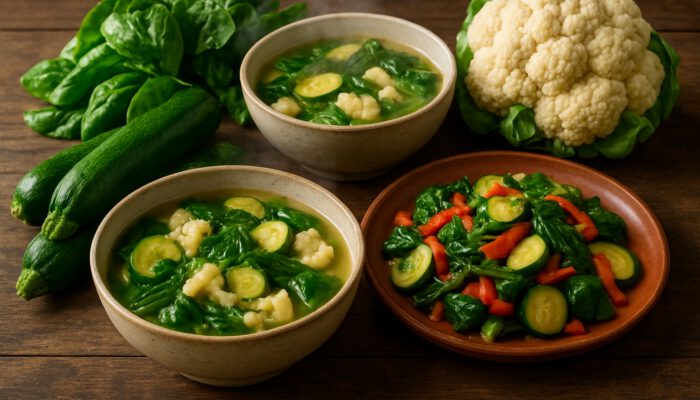
The adventure into the world of low-calorie comfort food commences with a colourful variety of vegetables that not only enhance the flavour profile of numerous dishes but also significantly contribute to overall health. Incorporating readily available low-calorie vegetables, such as zucchini, spinach, and cauliflower, can uplift any culinary masterpiece, delivering vital vitamins and minerals while effectively managing caloric intake. These nutrient-dense choices easily integrate into daily cooking habits, empowering you to create gratifying dishes that nourish both body and mind. Whether used in hearty soups, vibrant stir-fries, or appealing side dishes, these vegetables form the foundation for a multitude of comforting meals, providing both satisfaction and essential nutrition.
What Types of Proteins Should You Include for Optimal Nutrition?
When developing low-calorie comfort food, it is crucial to select appropriate sources of protein to fulfil dietary needs. Choosing lean protein options such as chicken breast, fish, tofu, and legumes not only caters to cravings but also aligns with a conscientious approach to caloric consumption. These protein sources deliver a satisfying texture and are vital for muscle preservation, which is essential for overall health. Achieving a balance between protein and other macronutrients allows you to relish hearty meals without compromising your fitness ambitions. By making knowledgeable protein selections, you can prepare meals that are both fulfilling and conducive to your health objectives, ultimately enhancing your overall vitality.
How Can You Enhance Flavours Without Adding Extra Calories?
Elevating flavours without increasing calorie content is a fundamental strategy in the domain of low-calorie cooking. By incorporating an array of herbs and spices, you can significantly boost the taste of your meals. Consider utilising fresh basil, oregano, paprika, garlic powder, and ginger to add depth and complexity to your culinary creations. These flavour enhancers not only tantalise the taste buds but also offer health benefits through their antioxidant properties and additional nutrients. Here are some of the top seasoning options to contemplate:
- Fresh Herbs (Basil, Parsley)
- Spices (Cumin, Turmeric)
- Garlic and Onion Powder
- Lemon Juice and Zest
- Chili Flakes
- Vinegars (Balsamic, Apple Cider)
- Mustard
- Soy Sauce (Low-Sodium)
These ingredients are instrumental in enriching straightforward recipes by imparting robust flavours without the caloric weight, ensuring that each meal is a delightful culinary experience.
What Factors Contribute to the Comforting Nature of Food?
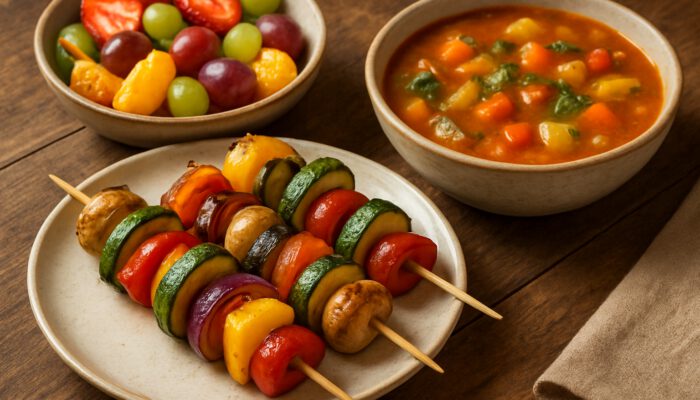
Exploring the Psychology Behind Comfort Eating and Its Impacts
Food frequently acts as an emotional anchor, and examining the psychology behind comfort eating can unveil intriguing insights. Emotional triggers such as stress, nostalgia, or boredom often drive individuals to seek out familiar, comforting meals. Making mindful choices is crucial in transforming this natural tendency into a healthier eating experience. By recognising these emotional triggers, individuals can develop effective coping strategies that favour healthier alternatives, permitting them to experience comfort without the excessive calories typically associated with traditional comfort food. Engaging in self-reflection regarding food choices can lead to a more balanced and satisfying approach to eating.
How Can You Recreate Your Favourite Flavours in a Healthier Way?
Transforming beloved comfort dishes into low-calorie variants can refresh your culinary repertoire. Techniques such as replacing heavy creams with Greek yogurt, opting for whole grains instead of refined varieties, and increasing the volume of vegetables can help retain the cherished flavours while significantly reducing calories. Innovative cooking methods like steaming or baking rather than frying can also preserve the satisfaction those dishes provide, allowing you to indulge without guilt while embracing a healthier lifestyle. These modifications not only make meals healthier but also guarantee they remain enjoyable and fulfilling.
What Signs Indicate You Are Overeating and How to Address Them?

Identifying the signs of overeating is essential for fostering a healthy relationship with food. Indicators such as feeling excessively full, engaging in frequent post-meal snacking, or eating in response to emotions instead of genuine hunger serve as crucial warning signs. By practising portion control, remaining cognisant of serving sizes, and actively tuning in to your body, you can effectively mitigate these concerns. This conscious approach to eating nurtures a healthier relationship with food and empowers you to make more informed dietary choices, supporting long-term success on your journey towards improved health.
How Does Nostalgia Influence Our Connection to Comfort Food?
Nostalgia plays an influential role in shaping our attachment to comfort food. Memories from childhood and cultural traditions often dictate our preferences for specific dishes. Strategies for balancing sentimental eating with modern nutritional guidelines involve modifying cherished family recipes to reduce calories while maintaining their essence. By crafting healthier adaptations that still evoke positive associations, you can relish your favourite dishes without compromising your health or wellness aspirations. This equilibrium allows you to appreciate the emotional facets of food while making mindful choices.
Expert Tips for Crafting Delectable Low-Calorie Comfort Food
Effective Ingredient Swaps for Healthier Cooking
Implementing smart ingredient swaps is vital for creating low-calorie comfort food that does not sacrifice flavour. For example, substituting heavy creams with pureed cauliflower or Greek yogurt can achieve creamy textures while keeping calorie counts low. Nutritionists often advise choosing whole grain alternatives for pasta and bread, as these options offer increased fibre content and superior nutrition compared to their refined counterparts. These practical steps can transform everyday meals into healthier alternatives while still satisfying cravings and preserving flavour, demonstrating that delicious food can also be health-conscious.
How to Create Balanced Meals for Optimal Nutrition and Satisfaction?
Constructing balanced meals is crucial for successful low-calorie cooking. Merging lean proteins, fibre-rich vegetables, and whole grains ensures that your meals are not only nutritious but also satisfying. Employing practical portion strategies, such as the plate method—where you compartmentalise your plate into sections for vegetables, proteins, and carbohydrates—can simplify meal planning and help maintain a balanced dietary intake. This scientifically-supported approach promotes overall health and well-being while allowing flexibility in your dietary choices, making it simpler to adhere to a healthy lifestyle.
Why is Monitoring Nutritional Value Important for Your Health?
Tracking the nutritional value of your meals is essential for sustaining a low-calorie diet. Real-world examples illustrate that employing food tracking applications can provide valuable insights into daily caloric intake and nutrient balance. Experts recommend regularly reviewing food labels and nutritional information to remain informed about your consumption. This continuous monitoring supports informed decision-making and contributes to long-term health advantages by ensuring accountability and clarity in your dietary choices, ultimately enhancing your overall wellness.
Research-Backed Advantages of Embracing Low-Calorie Comfort Food
Health Benefits of Choosing Low-Calorie Options for Your Well-Being
Opting for low-calorie selections is associated with numerous health benefits. Evidence-based advantages include improved weight management, a decreased risk of chronic diseases, and enhanced energy levels. Practical steps to realise these benefits involve incorporating more fruits, vegetables, and lean proteins while minimising processed foods and sugars in your diet. Such dietary modifications can lead to significant improvements in overall well-being and quality of life, demonstrating that making conscious food choices can produce transformative results.
Why is Emphasising Variety Crucial in Diet for Long-Term Success?
Incorporating a diverse array of foods is essential for averting dietary monotony, which can lead to unhealthy eating patterns. Research suggests that a varied diet not only delivers essential nutrients but also renders meals more exciting and enjoyable. By focusing on an assortment of flavours, textures, and colours in your meals, you can ensure that your culinary experiences remain stimulating while enhancing their nutritional value. This variety not only contributes to physical health but also fosters a more satisfying and enjoyable eating experience.
What Are Effective Strategies for Long-Term Weight Maintenance?
Successful long-term weight maintenance relies on cultivating sustainable habits. Consider the following strategies that support ongoing calorie control:
- Regular physical activity
- Mindful eating practices
- Meal prepping
- Tracking your progress
- Setting realistic goals
- Staying hydrated
- Limiting processed foods
- Seeking support
Adhering to these principles aids in maintaining a healthy weight over time, fostering resilience against weight fluctuations and contributing to overall health, thus making it easier to sustain your wellness journey.
Psychological Benefits of Low-Calorie Comfort Food Choices
Research indicates that low-calorie comfort foods can positively affect mood and help alleviate emotional eating. By deliberately choosing lighter versions of your favourite dishes, you can experience satisfaction without the burden of excessive guilt. Practical tips for enhancing your enjoyment include experimenting with spices, presenting meals attractively, and sharing food with friends and family. These strategies promote positive eating habits, enhance mental health, and support adherence to your dietary goals, illustrating that food can be both nourishing and pleasurable.
How Does Portion Control Contribute to Healthy Eating Practices?
Strategies for Measuring Portion Sizes Accurately and Effectively
Effective portion control is fundamental for managing caloric intake. Employing simple tools such as measuring cups, food scales, and portion control plates can aid in accurately gauging servings. Utilising these practical tools in your home cooking fosters a better understanding of appropriate serving sizes, making it easier to maintain a balanced diet without guesswork or confusion. By honing these skills, you can create a more mindful eating environment that supports long-term health objectives.
What Common Pitfalls in Portion Control Should You Avoid for Better Health?
One of the most frequent pitfalls in portion control is misjudging serving sizes, which can lead to unintentional overeating. Tips for ensuring accuracy include using smaller plates, measuring ingredients prior to cooking, and being mindful of portion sizes when dining out. By being conscious of these everyday challenges, individuals can enhance their portion control skills, ultimately leading to improved management of caloric intake and encouraging healthier eating habits.
How to Integrate Portion Control into Your Daily Routine for Lasting Benefits?
Incorporating portion control into daily routines can yield lasting changes in eating habits. Emphasising consistency through meal prepping, planning healthy snacks, and establishing regular meal times can cultivate a balanced eating environment. Developing sustainable practices surrounding portion control promotes mindfulness and encourages a healthy relationship with food, empowering individuals to enjoy their meals without excess and supporting overall wellness.
Easy Preparation Techniques for Creating Low-Calorie Meals
Mastering Basic Cooking Methods for Healthy and Delicious Meals
Mastering fundamental cooking methods is essential for efficient low-calorie meal preparation. Techniques such as steaming, grilling, and baking are not only straightforward but also energy-efficient. These methods help preserve nutrients in fresh ingredients while providing satisfying textures. Moreover, they often demand minimal added fats, making them ideal for producing low-calorie comfort food that does not compromise on flavour. Embracing these techniques enables you to create meals that are both nutritious and delightful.
What Essential Tools Do You Need in the Kitchen for Effective Cooking?
Equipping your kitchen with the right tools can substantially affect the ease of preparing low-calorie meals. Essential items comprise a sharp chef’s knife, cutting board, measuring cups, and a steamer basket. Selecting affordable equipment for beginners ensures that you can commence cooking without a significant financial outlay, allowing for creativity and exploration in the kitchen. Providing yourself with these essentials establishes a solid foundation for successful low-calorie meal preparation.
How to Store Leftovers for Maximum Freshness and Longevity?
Properly preserving leftovers is crucial for minimising waste and ensuring meals remain fresh and appetising. Employing suitable refrigeration and storage methods, such as using airtight containers, can prolong the shelf life of cooked dishes. Labelling containers with dates also aids in tracking freshness, fostering a more organised approach to meal management and consumption. This attention to proper storage can significantly enhance your overall meal experience.
Why Are Basic Knife Skills Important for Efficient Cooking?
Acquiring fundamental knife skills is vital for safe and efficient food preparation. Mastering proper grip and techniques for common cuts like dicing and slicing can dramatically expedite your chopping process while minimising the risk of injury. Practising these skills not only simplifies handling ingredients in the kitchen but also contributes to reducing waste, ensuring you maximise every component of your meal. Developing these skills enhances your cooking efficiency and enjoyment.
What Are Some Easy Recipe Ideas to Try for Quick Cooking?
Simple recipes that utilise minimal ingredients are ideal for accommodating busy lifestyles. Dishes such as vegetable stir-fries, quinoa salads, and baked chicken breasts can be prepared swiftly and are highly adaptable. By focusing on flavour and ease, these recipes can be customised to meet diverse tastes and dietary requirements, making them accessible to newcomers to low-calorie cooking. These uncomplicated meals ensure that healthy eating remains practical and enjoyable.
Why Opt for Low-Calorie Food Choices for Better Living?
Identifying Your Personal Health Motivations for Dietary Changes
Understanding your individual health motivations is a crucial step towards implementing meaningful dietary changes. Whether your focus is on weight loss, enhanced energy levels, or a desire to lower the risk of chronic diseases, recognising specific lifestyle factors can assist in setting clear personal goals. This clarity fosters commitment to healthier eating patterns and encourages sustained changes, allowing you to align your dietary choices with your overall health objectives.
How to Adapt Family Favourite Recipes for Healthier Eating Habits?
Modifying beloved family recipes is an inclusive strategy that enables everyone to enjoy comfort food while minimising unnecessary calories. For group meals, consider actionable steps such as reducing sugar in sauces, substituting sour cream with Greek yogurt, and increasing the proportion of vegetables in traditional dishes. These adaptations honour family traditions while promoting healthier eating habits, making them enjoyable for all. This approach ensures that comfort food can be both nostalgic and nutritious.
What Are Effective Ways to Overcome Taste Challenges in Cooking Low-Calorie Meals?
Adjusting flavours in low-calorie cooking is often necessary to maintain satisfaction and enjoyment. Consider these enhancement techniques to elevate taste without adding calories:
- Incorporate citrus for brightness
- Utilise umami-rich ingredients like mushrooms or nutritional yeast
- Introduce smoky flavours with chipotle or smoked paprika
- Experiment with sweet spices like cinnamon or nutmeg
- Add fresh herbs for added vibrancy
- Try homemade dressings for better control over ingredients
- Utilise marinades to infuse proteins with rich flavours
- Serve with vibrant dips like salsa or hummus
These inventive solutions can effectively tackle taste challenges, ensuring enjoyment in each bite and enhancing your overall cooking experience.
Proven Strategies for Crafting Delicious Low-Calorie Comfort Food
Fundamentals of Daily Meal Planning for Success
Establishing a daily meal planning routine is foundational for maintaining a low-calorie diet. Concentrate on organisational strategies, such as dedicating time each week to devise meal plans, grocery shopping, and preparing ingredients. This straightforward scheduling can reduce stress around mealtimes and promote a healthier approach to eating, paving the way for sustained dietary success. By planning ahead, you can make informed choices that align with your health aspirations.
How to Stay Motivated on Your Healthy Eating Journey Throughout Life?
Maintaining motivation on the journey towards healthier eating can pose challenges. Techniques for enduring include setting realistic and achievable goals, tracking progress, and celebrating small victories. By connecting with like-minded individuals or joining support groups, you can gain encouragement and accountability, making it easier to adhere to your dietary plan and lifestyle changes. This sense of community can significantly enhance your commitment to a healthier lifestyle.
How to Evaluate Your Progress Over Time Effectively and Accurately?
Regular self-assessment is vital for measuring success in your dietary efforts. Expert recommendations for tracking results may involve keeping a food diary or using applications to log meals. By documenting changes in weight, energy levels, and overall health, individuals can gain valuable insights into their progress, enabling informed adjustments to their eating habits for improved outcomes. This reflective practice enhances accountability and drives continuous improvement.
Frequently Asked Questions About Low-Calorie Comfort Food
What Are Some Low-Calorie Comfort Food Recipes to Try for Your Family?
Low-calorie comfort food recipes can include vegetable stir-fried rice, baked sweet potato fries, and creamy cauliflower soup. These dishes retain the essence of comfort while keeping calorie counts in check, making them ideal for family meals.
How Can I Enhance the Flavour of Low-Calorie Dishes for Extra Enjoyment?
Boost the flavour of low-calorie dishes with an array of herbs, spices, citrus zest, and homemade sauces. These flavour enhancers ensure meals remain enjoyable without adding calories, allowing you to savour every bite.
Is It Possible to Lose Weight While Enjoying Comfort Food Without Guilt?
Absolutely! By modifying recipes and incorporating healthier ingredients, you can relish comfort food while maintaining the caloric deficit necessary for weight loss. This approach enables you to enjoy your meals without compromising your goals.
What Are Some Common High-Calorie Ingredients I Can Swap for Healthier Alternatives?
Consider swapping high-calorie ingredients such as cream for Greek yogurt, sugary sauces for homemade alternatives, and white rice for quinoa or cauliflower rice. These substitutions can significantly reduce calorie counts while preserving flavour.
How Important Is Portion Control When Enjoying Comfort Food for Great Health?
Portion control is vital for managing caloric intake, particularly when indulging in comfort food. Being mindful of serving sizes encourages a balanced diet and aids in maintaining health, ensuring you can enjoy your favourite dishes guilt-free.
Can Low-Calorie Comfort Food Be Filling and Satisfying for Everyone?
Yes, low-calorie comfort food can be gratifying when prepared with nutrient-dense ingredients like vegetables and lean proteins, ensuring you feel satiated without excess calories. This balance allows you to enjoy meals that are both nutritious and delightful.
What Are Some Tips for Meal Prepping Low-Calorie Dishes for Convenience?
For effective meal prepping of low-calorie dishes, plan your meals in advance, batch cook ingredients, and store them in portioned containers for easy access throughout the week. This strategy simplifies healthy eating and saves time.
How Can I Make Family Meals Healthier Without Losing Flavour and Enjoyment?
Transform family meals by incorporating more vegetables, using lean proteins, and reducing sugar and salt in recipes while still preserving their favourite flavours. These changes promote better health without sacrificing taste.
What Role Do Snacks Play in a Low-Calorie Diet for Sustained Energy?
Healthy snacks are essential for managing hunger between meals and preventing overeating. Opt for nutrient-dense options like fruits, nuts, or yogurt to maintain satisfaction throughout the day, aiding in sustaining your energy levels.
How Can I Stay Motivated to Embrace Low-Calorie Comfort Food for Life?
Maintain motivation by establishing achievable goals, tracking your progress, and experimenting with new recipes. Sharing meals with friends or family can further enhance enjoyment and accountability, making healthy eating a fun and rewarding experience.
Join our Facebook community for more tips!
The post How to Make Low-Calorie Comfort Food: Delicious Ideas appeared first on https://cookinggods.com
The Article Low-Calorie Comfort Food: Tasty Ideas for Guilt-Free Eating Was Found On https://limitsofstrategy.com
The Article Low-Calorie Comfort Food: Delicious Guilt-Free Recipes found first on https://electroquench.com