Discover the Crucial Factors Behind Skin Rashes in Your Pets
What Are the Primary Causes of Skin Rashes in Cats and Dogs?

A multitude of environmental factors and health-related complications play a significant role in the development of skin rashes in both cats and dogs. Understanding these prevalent triggers is critical for pet owners to mitigate the risk of these uncomfortable conditions. Key factors that may lead to skin rashes include:
- Food allergies arising from specific ingredients, including grains and various proteins
- Exposure to pollen or dust mites, which are commonly found in many homes
- Incidents of flea bites and subsequent infestations that intensify skin problems
- Contact with chemical irritants, such as different cleaning solutions and shampoos
- Development of infections, which may be bacterial, fungal, or parasitic in nature
- Presence of environmental stressors that can negatively impact their skin health
- Underlying health conditions, such as autoimmune disorders that complicate skin issues
Prompt identification of these triggers is essential for pet owners, as it facilitates effective prevention and management of skin rashes. This proactive strategy not only improves the comfort of their beloved furry friends but also promotes overall well-being, allowing them to lead happier, healthier lives.
How Can You Recognise Early Signs of Skin Rashes in Pets?
Being able to identify the early symptoms of skin rashes is vital for ensuring timely intervention and treatment. Common indicators to look out for include redness of the skin, persistent itching, and noticeable swelling. Pet owners should remain observant, paying close attention to any changes in their pets' skin or behaviour. Upholding good hygiene practices, such as regular baths and grooming sessions, can significantly reduce the risk of skin issues while allowing for swift action when necessary.
What Proactive Preventive Measures Should Pet Owners Adopt?
Establishing consistent daily routines and preventive strategies can markedly decrease the likelihood of skin rashes in pets. Effective measures include regular grooming to eliminate dirt, allergens, and dead hair, employing hypoallergenic products, and steering clear of known irritants. Additionally, providing a well-balanced diet rich in essential fatty acids can bolster skin health, enhance resilience, and strengthen the immune system in pets, ultimately contributing to their overall vitality and well-being.
How Can You Effectively Identify Skin Rashes in Your Cats and Dogs?
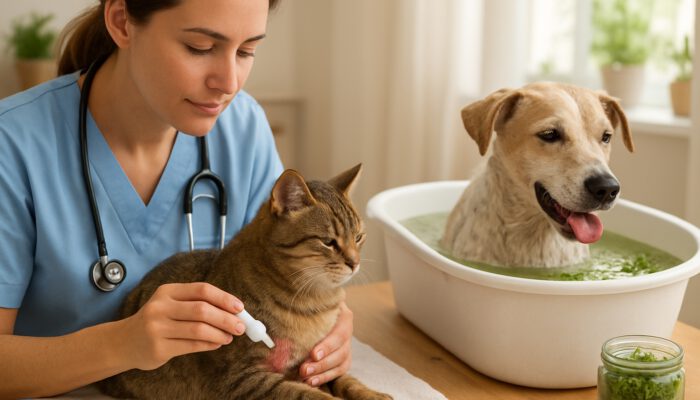
What Visual and Behavioural Signs Indicate Skin Rashes in Pets?
To effectively identify skin rashes in pets, owners must pay close attention to both visual and behavioural cues. Common signs of rashes include redness, swelling, and the appearance of scabs or sores. Behaviourally, pets may show signs of discomfort by scratching, licking, or chewing at the affected areas. Distinguishing between mild irritations and more severe skin conditions is crucial for timely intervention, as early treatment can prevent the development of serious complications.
What Diagnostic Tools and Techniques Aid in Identifying Skin Issues in Pets?
Regular at-home checks are essential for recognising skin rashes in pets. Owners should routinely examine their pets' skin, focusing on areas that are more prone to irritation, such as the belly, paws, and facial regions. If symptoms persist or worsen, seeking professional veterinary guidance becomes critical. Diagnostic techniques may involve skin scrapings, allergy tests, or blood work to identify underlying factors contributing to the rash, enabling tailored treatment options that meet the specific needs of the pet.
What Common Misconceptions Surround Skin Rashes in Pets?

Numerous misconceptions exist regarding the identification and treatment of skin rashes, which can hinder timely and appropriate care. A widespread myth is that all skin rashes are exclusively caused by flea infestations or allergies. While these are indeed common contributors, rashes can also develop due to infections, irritants, or systemic health issues. Educating pet owners about these realities can foster quicker and more effective treatment outcomes, ultimately enhancing the overall health of their pets.
Insights from Experts on Managing Skin Rashes in Pets
What Treatment Options Are Available for Managing Skin Rashes in Pets?
Veterinary professionals provide a variety of advanced treatment options for effectively managing skin rashes in pets. Medications may include antihistamines, corticosteroids, or topical treatments, depending on the severity and specific nature of the rash. Real-world applications have demonstrated that tailored treatments often yield positive outcomes, with many pets experiencing significant relief in a short timeframe. Collaborating with a veterinarian to formulate a personalised treatment plan ensures optimal results, addressing the unique needs of each individual pet.
Why Is It Crucial to Consult a Veterinarian for Skin Rashes?
Seeking the expertise of a veterinary professional is essential when dealing with persistent skin rashes. Veterinarians can conduct a thorough assessment to pinpoint the underlying cause of the rash and recommend customised solutions tailored to the pet's specific condition. Their guidance is invaluable in minimising the risk of complications and ensuring that treatment aligns with the pet's individual health history and requirements.
What Long-Term Strategies Should Be Implemented for Skin Health?
To prevent the recurrence of skin rashes, experts recommend adopting long-term management strategies. These may involve scheduling regular veterinary check-ups, maintaining a well-balanced diet, and incorporating supplements that promote skin health. Real-world examples of effective care plans illustrate that with consistent attention to health and wellness, pets can experience a significantly improved quality of life with reduced skin-related issues over time.
What Natural Remedies Can Help Alleviate Skin Rashes?
What Are the Most Effective Herbal Treatments for Skin Issues in Pets?
Herbal treatments can offer soothing relief for pets suffering from skin rashes. Natural options such as aloe vera, chamomile, and neem oil are well-known for their anti-inflammatory and healing properties. Safe preparation methods for home use include:
- Creating soothing aloe vera gel applications for direct use on affected areas
- Infusing chamomile tea for gentle topical washes that calm irritation
- Mixing neem oil with carrier oils for safe application on sensitive skin
- Utilising calendula ointments for targeted treatment of specific rashes
These natural remedies can provide comfort without the side effects associated with conventional medications, making them popular choices among pet owners seeking gentler alternatives for managing their pets' skin issues.
What DIY Solutions Can Alleviate Itching in Your Pets?
DIY remedies present effective options for relieving itching associated with skin rashes. A highly recommended treatment is an oatmeal bath, which soothes irritated skin and reduces inflammation. To prepare this remedy, simply grind oatmeal into a fine powder and mix it with warm water to create a relaxing soak for your pet. Other easy solutions include applying coconut oil or using diluted apple cider vinegar to alleviate itching and promote healing, providing comfort to your furry companion.
What Risks Are Associated with Using Natural Remedies?
While natural remedies can be beneficial, they also carry potential risks. Some pets may react adversely to specific herbal treatments, leading to further irritation or allergic responses. It is crucial for pet owners to conduct patch tests and confirm that any natural remedy utilised is suitable for their particular pet. Consulting with a veterinarian before introducing new treatments can help safeguard against complications and ensure the safety of the pet.
What Are the Advantages of Using Home Remedies for Pet Care?
How Do Home Remedies Help Reduce Costs for Pet Care?
Home remedies provide cost-effective alternatives for pet care, allowing owners to minimise expenses while maintaining quality. Many effective treatments incorporate common household items, making them easily accessible for everyday use. This affordability empowers pet owners to consistently manage their pets' health, ensuring they receive the necessary care without financial strain, which is especially important for those on a budget.
What Are the Benefits of Choosing Natural Remedies Over Chemical Options?
Opting for natural remedies instead of chemical alternatives offers numerous benefits. Natural treatments generally have fewer side effects, promoting overall pet well-being while reducing the risk of further irritation. Additionally, natural remedies often support the pet’s immune system, enhancing their ability to combat future skin issues. This holistic approach contributes to healthier skin and improved overall health for pets.
How Can You Monitor the Success of Treatments for Skin Rashes?
Tracking improvements in a pet’s skin condition is vital for evaluating the effectiveness of chosen remedies. Owners should observe changes in symptoms, such as decreased redness, reduced itching, and overall skin appearance. Keeping a regular record of these observations can help determine whether a treatment is effective or if adjustments are necessary, facilitating proactive care and ensuring the pet's comfort.
What Makes Home Remedies Accessible and Simple to Prepare?
Home remedies utilise everyday household items for preparation, simplifying the treatment process for pet owners. Common ingredients like oatmeal, coconut oil, and apple cider vinegar are easy to find and can be prepared quickly, allowing for immediate responses to typical skin ailments. This accessibility enables pet owners to take a proactive stance towards their pets' health management, fostering a sense of responsibility and care.
How Do Home Remedies Promote Long-Term Health for Pets?
Utilising home remedies can significantly contribute to sustained pet health by addressing root causes rather than merely alleviating symptoms. These methods enhance natural healing processes, promoting a holistic lifestyle that can prevent recurring skin issues. By emphasising comprehensive wellness and preventive care, pet owners can greatly reduce the likelihood of long-term health complications, ensuring their pets enjoy a happier, healthier life.
What Research Supports the Effectiveness of Skin Rash Remedies?
What Evidence-Based Treatments Are Available for Healing Skin Rashes?
Recent research has indicated that specific treatments can expedite the healing process for skin rashes. For instance, applying topical treatments with verified anti-inflammatory properties can lead to faster recovery times. Real-world examples from veterinary practices highlight the efficacy of these methods, showcasing significant improvement in affected pets when evidence-based remedies are employed, thus validating their importance in pet care.
How Does Nutrition Influence Skin Health in Pets?
A pet's diet plays an essential role in maintaining skin health. Certain nutrients, such as omega fatty acids, zinc, and vitamins A and E, enhance the skin's natural defences against rashes and irritations. Providing a balanced diet rich in these vital components can strengthen skin resilience, reduce the frequency of rashes, and improve overall pet well-being, making nutrition a key factor in sustaining healthy skin.
How Can You Evaluate the Effectiveness of Skin Rash Treatments?
Assessing the efficacy of selected remedies is crucial for ensuring long-term improvement in skin conditions. Reliable indicators include monitoring the frequency of flare-ups, the severity of symptoms, and how promptly the pet responds to treatments. Employing a systematic approach to tracking these factors aids pet owners in making informed decisions regarding ongoing care strategies, ensuring their pets receive the best possible treatment.
What Is the Relationship Between Stress and Skin Rashes in Pets?
Research indicates a strong link between psychological stress and the emergence of skin rashes in pets. Stress hormones can compromise the skin’s natural barriers, increasing vulnerability to irritations and infections. Implementing practical strategies such as regular exercise, engaging in playtime, and employing calming techniques can help alleviate stress, enhance the effectiveness of rash treatments, and promote quicker healing, resulting in a happier, healthier pet.
What Innovative Technologies Are Transforming Skin Rash Treatment?
Cutting-edge technologies are revolutionising the field of skin rash treatment for pets. Recent trials have introduced tools like biofeedback devices and AI-driven diagnostics, which tailor care and improve treatment precision. Evidence suggests that these advanced technologies can lead to better long-term skin health and lower recurrence rates, offering promising prospects for the field of pet dermatology while enhancing the quality of care delivered.
How Does Professional Treatment for Skin Rashes Operate?
What Are the Essential Components of Veterinary Care for Skin Rashes?
Understanding the components of veterinary care for skin rashes begins with a comprehensive diagnosis. This process typically involves a thorough examination of the pet's skin, detailed history taking, and potentially laboratory tests to accurately identify the issue at hand. Following diagnosis, the veterinarian formulates a detailed treatment plan designed to meet the specific requirements of the pet, ensuring a well-informed and effective approach that tackles the root cause of the rash.
What Should You Anticipate from Medications Prescribed by Your Veterinarian?
Medications prescribed for skin rashes may include antihistamines, corticosteroids, and topical treatments. Owners should expect various outcomes, including reduced itching, inflammation, and redness. Potential side effects might manifest as drowsiness or increased thirst, making it vital to monitor the pet closely and adhere to the veterinarian's instructions carefully for safe and effective treatment.
- Decreased itching
- Reduced inflammation
- Improved skin appearance
- Possible side effects (e.g., drowsiness)
What Are the Best Practices for Follow-Up and Monitoring After Treatment?
Post-treatment follow-up and monitoring are crucial for achieving lasting results. Pet owners should arrange regular check-ups with their veterinarian to assess progress and make any necessary adjustments to the treatment plan. Practical measures include maintaining a diary of symptoms and treatments, fostering open communication with the vet, and being vigilant in observing the pet’s behaviour and skin condition to ensure effective ongoing care.
What Proven Strategies Are Effective for Long-Term Pet Care?
How Can You Establish a Daily Routine for Your Pets?
Creating a structured daily routine can significantly enhance skin health and overall well-being in pets. Essential habits to adopt include:
- Scheduled grooming sessions to uphold coat health
- Consistent feeding times to support digestion
- Daily exercise and play to provide physical and mental stimulation
- Frequent skin and coat examinations to detect issues early
By integrating these practices, pet owners can proactively manage their pets' health and reduce the likelihood of skin issues arising, ensuring a happier and healthier life for their cherished companions.
What Lifestyle Modifications Should Be Made for Improved Pet Health?
Implementing thoughtful changes to a pet's environment and diet can significantly enhance lasting wellness. This may involve transitioning to hypoallergenic foods, minimising exposure to allergens, and ensuring proper hydration. Focusing on proactive measures can elevate the pet's quality of life while decreasing the chances of recurrent skin problems, fostering a healthier living environment for them.
When Is It Crucial to Seek Further Assistance from a Veterinarian?
Recognising signs that indicate worsening conditions is vital for ensuring comprehensive care. If a pet exhibits escalating symptoms, increased discomfort, or fails to improve with home treatments, seeking further assistance from a veterinarian is essential. Early intervention can prevent more severe health issues and promote better outcomes for the pet, ensuring they receive the necessary care for a full recovery.
How Can You Strengthen Emotional Connections with Your Pets?
Building strong emotional bonds with pets is essential for their happiness and mental well-being. Daily interactions, playtime, and positive reinforcement can significantly enhance these connections. By incorporating affection, training exercises, and quality time into daily routines, pet owners can cultivate loyalty and reduce anxiety, ultimately leading to a healthier and happier pet while enhancing their overall quality of life.
Frequently Asked Questions
What Are the Most Common Causes of Skin Rashes in Pets?
Common causes of skin rashes in pets include food allergies, flea infestations, environmental irritants, and bacterial or fungal infections. Identifying the underlying cause is crucial for effective treatment and management strategies.
How Can I Determine if My Pet Has a Skin Rash?
To identify a skin rash, look for signs such as redness, swelling, excessive scratching, and the presence of scabs. Notable behavioural changes, such as increased licking or biting at the affected skin, may also indicate the presence of a rash.
Are There Safe Natural Remedies for Treating Skin Rashes?
Yes, natural remedies such as aloe vera, oatmeal baths, and coconut oil can effectively alleviate skin rashes. However, it is always recommended to consult your veterinarian before trying new treatments.
When Should I Consult a Veterinarian About My Pet's Rash?
Consult a veterinarian if the rash worsens, shows signs of infection, or does not improve with home treatments. Early intervention is key to preventing complications and maintaining your pet's health.
Is It Safe to Use Over-the-Counter Medications for My Pet's Skin Issues?
While some over-the-counter products may be deemed safe, it is crucial to consult your veterinarian before using them. Some medications can be harmful if misused or if the pet has underlying health conditions that need to be considered.
Can Diet Impact My Pet's Skin Health?
Absolutely. A balanced diet rich in Omega fatty acids and essential nutrients is vital for supporting skin health and can improve the pet's overall condition, thereby reducing the likelihood of rashes and skin irritations.
What Should I Do If My Pet's Rash Doesn't Improve?
If a rash does not improve after a few days of treatment or if it worsens, seek veterinary advice. Persistent rashes often require professional evaluation to address underlying issues that may be contributing to the condition.
How Can I Prevent Skin Rashes in My Pet?
Prevent skin rashes by maintaining good hygiene, conducting regular grooming, controlling parasites, and providing a balanced diet. Regular veterinary check-ups can also help identify potential health issues early on, allowing for timely intervention.
Are Flea Treatments Effective for Preventing Skin Rashes?
Yes, effective flea treatments can help prevent skin rashes caused by flea bites. Consistent flea control is essential for maintaining your pet's skin health and preventing the discomfort associated with infestations.
How Does Stress Affect My Pet's Skin Health?
Stress can lead to skin issues by weakening the immune system and increasing susceptibility to irritations. It is crucial to provide a stable and loving environment to minimise stress in pets, promoting better overall health and well-being.
Join Our Community on Facebook!
The Article Skin Rash Remedies for Cats and Dogs: Quick Relief Tips First Published On https://elgatoencasa.com
The Article Skin Rash Remedies: Quick Relief for Cats and Dogs Was Found On https://limitsofstrategy.com
The Article Skin Rash Remedies for Quick Relief in Cats and Dogs found first on https://electroquench.com